The Little Man on the Tile
During the second half of the nineteenth century, the Southern Cone (Brazil, Uruguay, and Argentina) received an enormous quantity of French tiles used extensively in local construction. These tiles were manufactured in northern France, in the Pas-de-Calais region, and more specifically in the vicinity of the small town of Desvres, which was particularly known for its production of faïence: tableware, sculptural pieces, and architectural tiles.
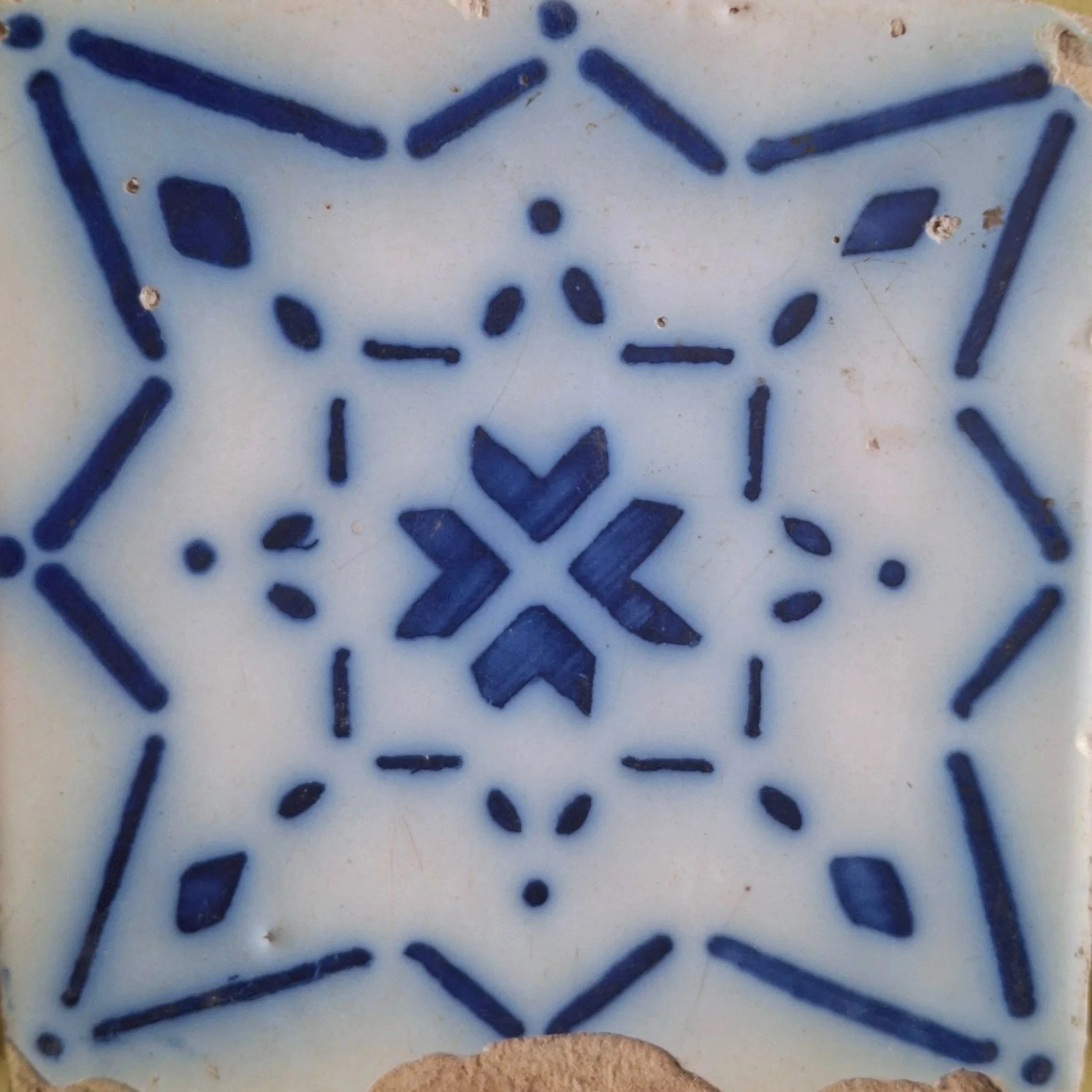
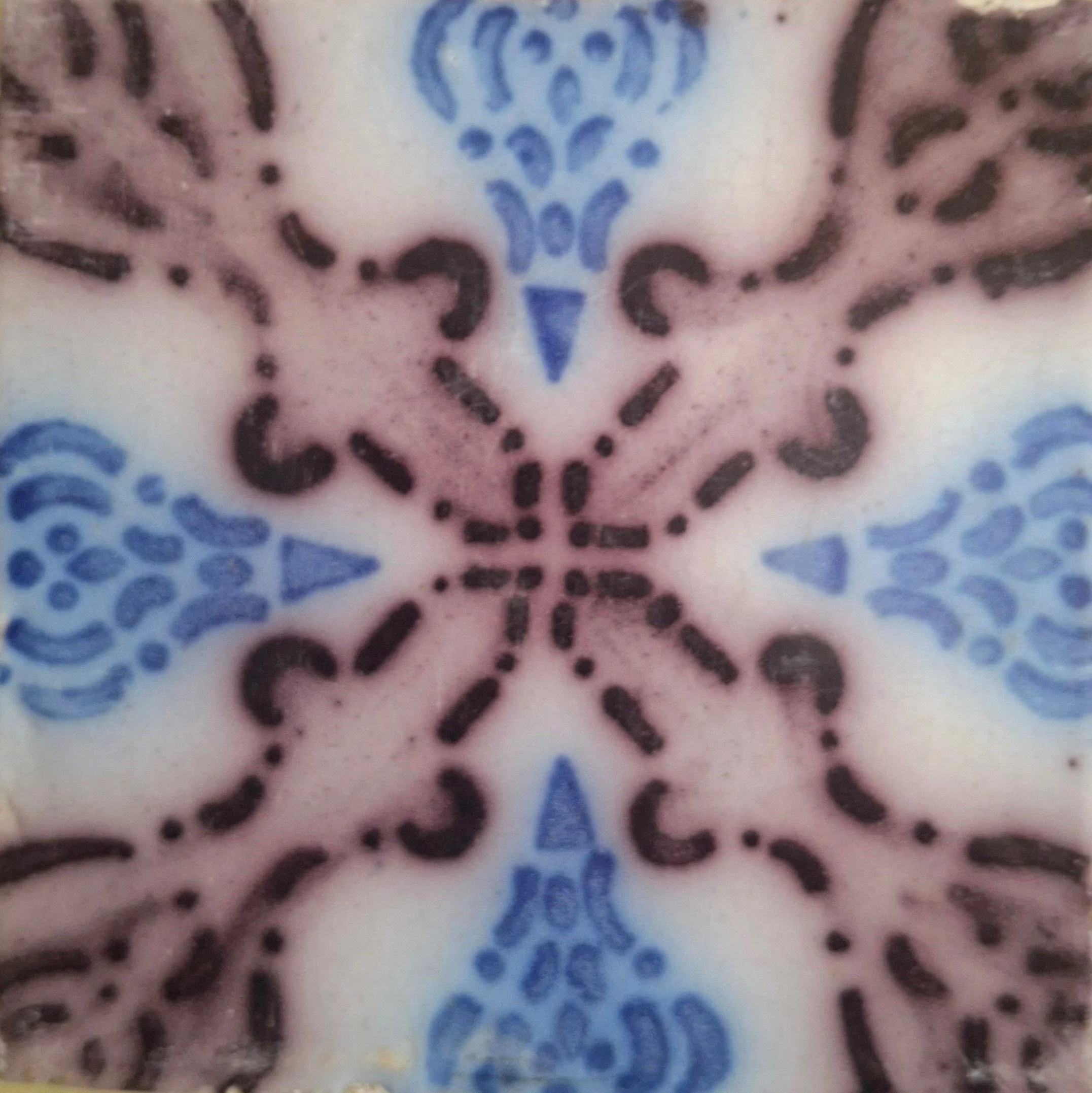
The tiles in question were small square pieces, known in French as carreaux, measuring approximately 11×11 cm (roughly 4"×4"). They were coated with a tin-based enamel glaze—hence the designation azulejos estanníferos (tin-glazed tiles)—which formed a white background on which decorative motifs were applied by hand using a stencil technique, predominantly in shades of blue, though also, to a lesser extent, of green, yellow, violet, and red.
Because the images were applied by hand through stencils, an enormous variety of designs were produced. In the South American region alone, architect Alejandro Artucio Urioste, founder of the Tile Museum of Montevideo, identified 1,081 different motifs. The tiles bear a maker's stamp on their reverse, allowing precise identification of the small number of factories from which they originated. In addition, promotional catalogues have been preserved in various archives, and in some cases, production and export figures are also available. The town of Desvres is home to a small museum dedicated to this heritage, which holds valuable documentation on the subject.
Why did they arrive in such large quantities in South America?
This is where the issue of extractivism comes into play. These tiles, along with other building materials, arrived in South America in large quantities aboard ships that came to the region to load grain. After gaining independence from their European metropolises in the first half of the nineteenth century, the young South American nations embarked on an active policy of "integration"—or, more precisely, of subordination—with the leading European powers of the time: France, Germany, and above all the British Empire.
““Ships traveling from north to south to collect that grain carried tiles and other manufactured goods in their holds to sell upon arrival.””
The system was analogous to that applied in formal colonies around the world, with the difference that these were ostensibly independent countries. The colonies supplied raw materials to fuel the factories and workers of the Industrial Revolution, while the powers sold their manufactured goods in the South. The "exchange" was manifestly unequal: large volumes of cheap raw materials flowed from south to north, while a much smaller quantity of expensive finished products moved in the opposite direction—a dynamic that also curtailed industrial development in South America. In the region under study, the commodity European traders sought was grain, produced in abundance across the fertile plains of southern Brazil, Uruguay, and the Argentine Pampas. Ships travelling from north to south to collect that grain carried tiles and other manufactured goods in their holds to sell upon arrival; once unloaded, they filled their cargo holds with grain for the return journey.
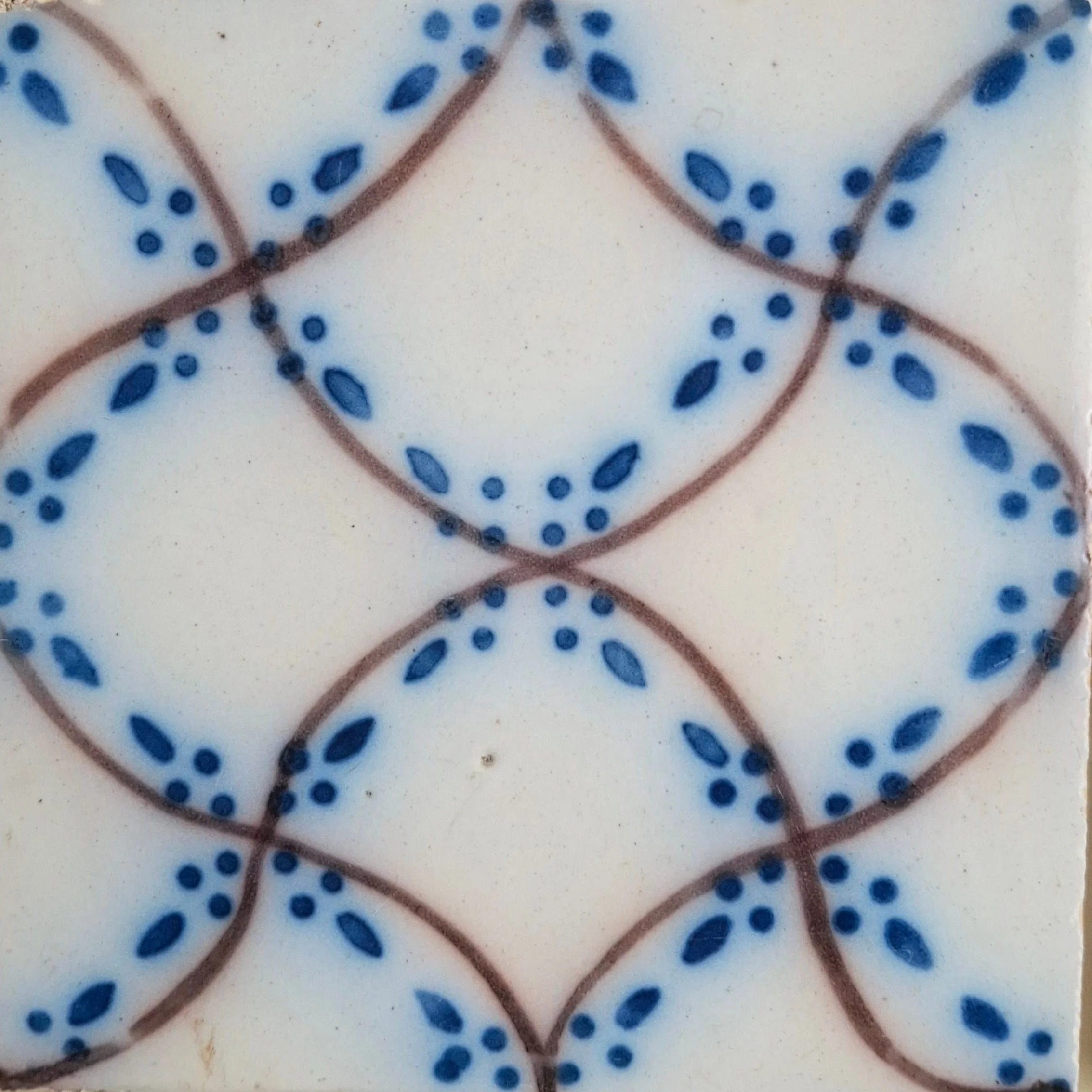
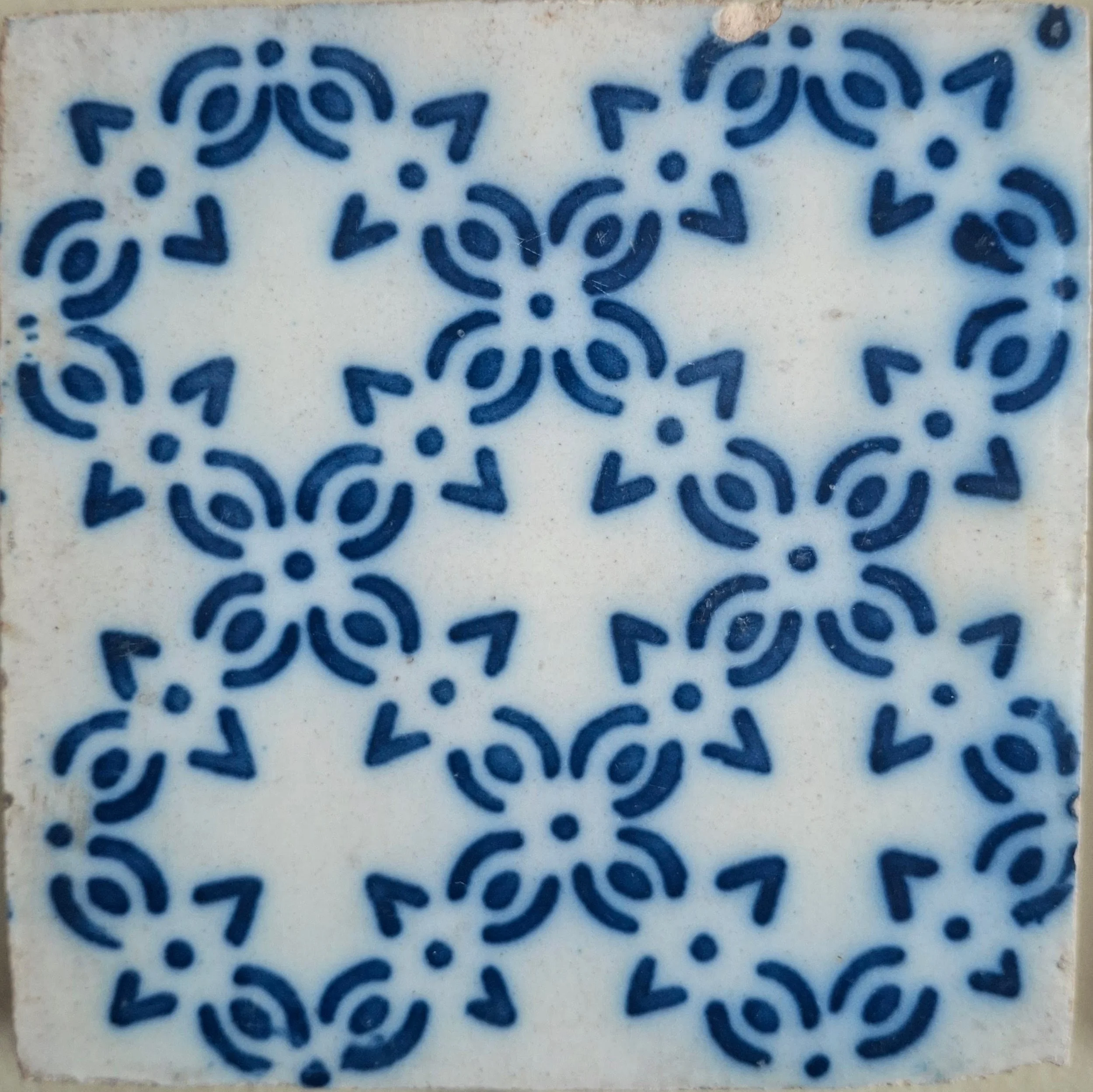
This was a highly profitable arrangement: the freight costs were already covered, since the ships inevitably had to make the southward voyage. The choice of Pas-de-Calais products was equally deliberate: the ports of northern France offered rapid access to several of the principal grain-consuming cities of the period, including Paris, London, and the major German industrial centres. This explains precisely why these tiles are so common in southern Brazil, Uruguay, and the Argentine Pampas: they arrived at exactly the same places from which the grain departed.
In the early twentieth century, the process continued, but with newer tiles: those beginning to be produced by European industry, featuring moulded reliefs, industrial printing, and Art Nouveau motifs, which rendered the Pas-de-Calais tiles obsolete. The First World War, the interwar economic crises, and the Second World War subsequently transformed the entire landscape, and this system disappeared along with the colonial empires of the nineteenth century.
Local appropriation
We now know when and why these tiles arrived. Now let’s examine how they were received in the South American context—an aspect that opens a distinct set of considerations.
One of the most striking features of these tiles is that they were repurposed in the South American context to address local problems in local ways. That is, they were not used as their manufacturers had intended, but rather as southern workers have done for a few centuries.
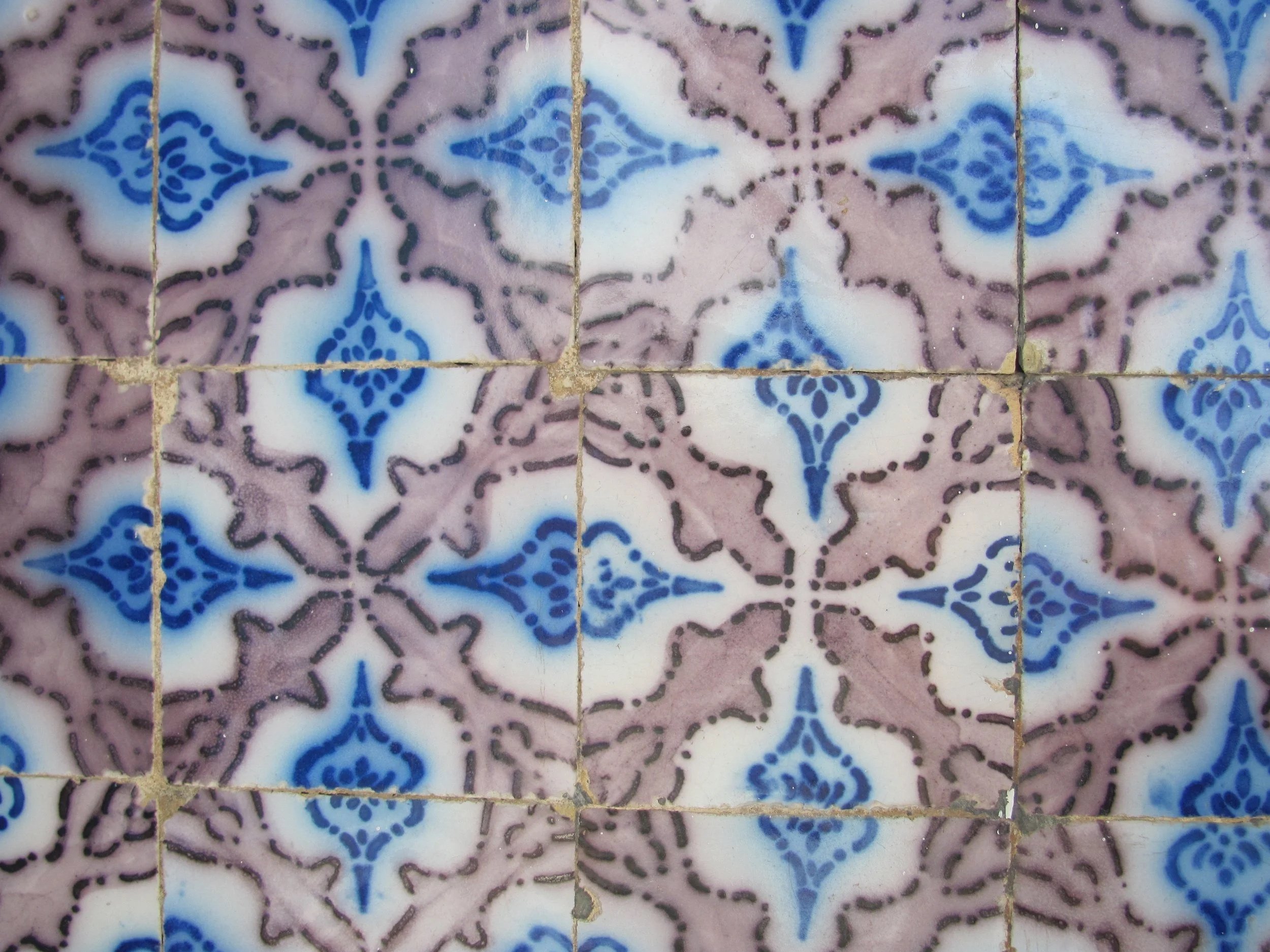
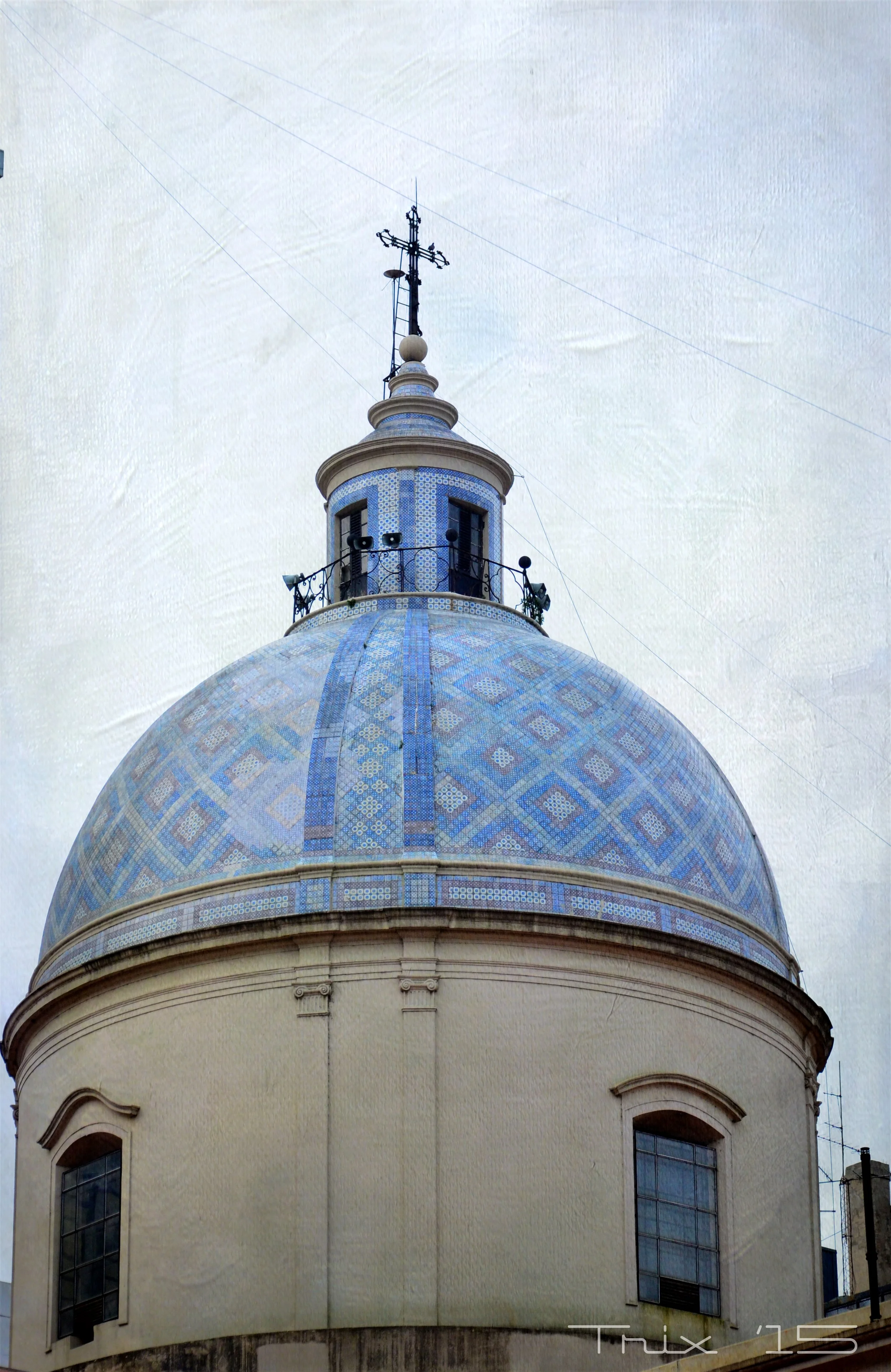
The tiles were used for primarily waterproofing in three specific ways. They were applied to curved surfaces—most notably church domes and the cupolas of bell towers—that could not be covered with traditional ceramic tiles to prevent rainwater from permeating below.
This was precisely the same practice inherited from the Hispanic-Portuguese colonial tradition, itself acquired through the Arabization and Islamization of the Iberian Peninsula between 700 and 1400 CE. A remarkable paradox thus emerges: a product of the European colonial powers was appropriated through local knowledge of Ibero-Arab origin, with the material and decorative motifs changing, but not the underlying design criteria.
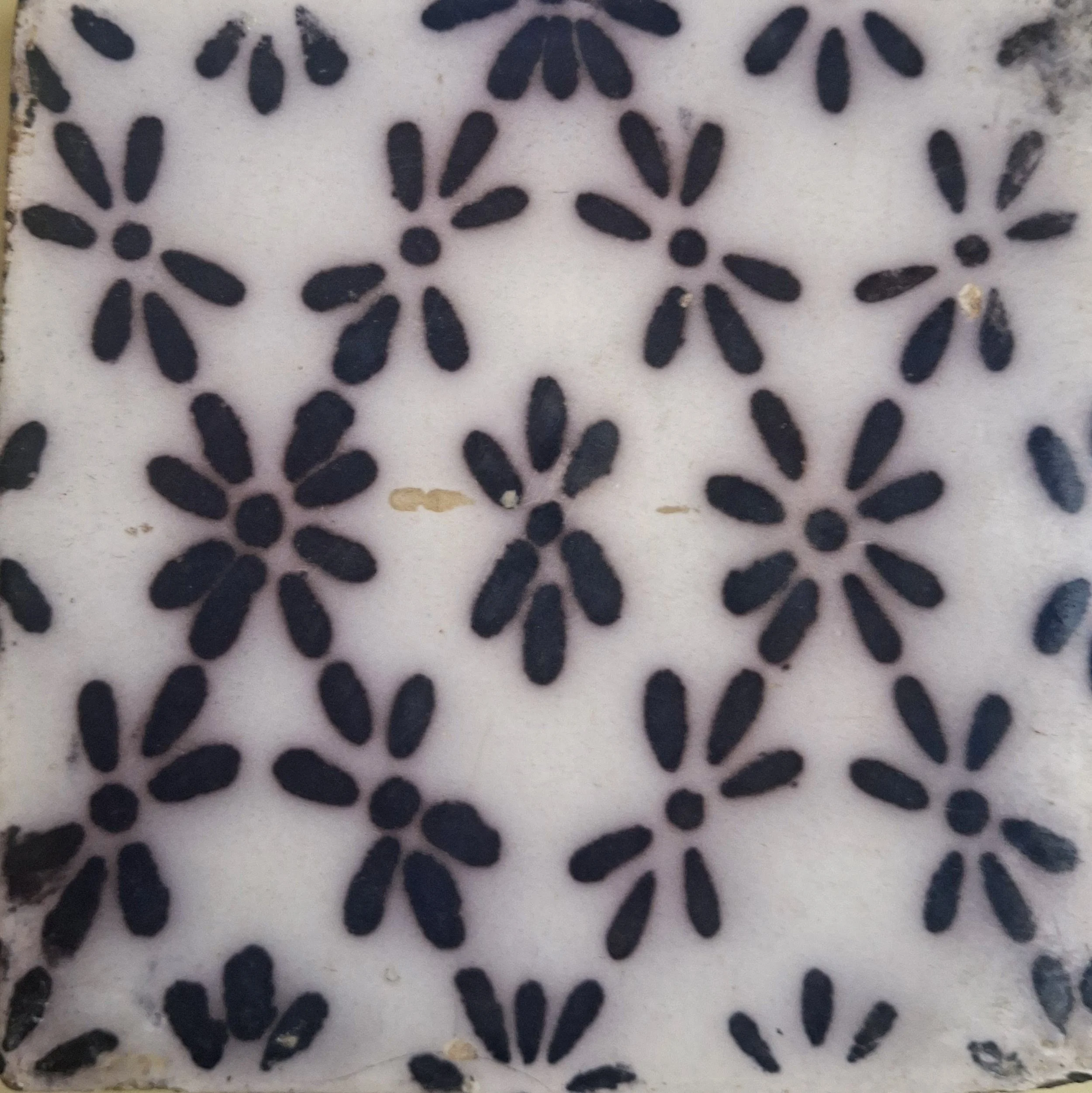
Historiography
As much of the architecture built in the Southern Cone during the second half of the nineteenth century became obsolete and began to disappear in the first half of the twentieth, too many of these tiles were lost. This prompted several architectural historians and heritage preservation advocates to begin studying them and collecting the various designs recovered from demolition sites. In Argentina, the pioneer was Vicente Nadal Mora, who as early as 1949 published a book on the subject that has since become a classic. Nadal Mora also assembled a significant collection of tiles and established the Instituto de Arte Americano—the institution at which this article’s author is based—as one of the leading research centers on the topic. In Uruguay, as already noted, Alejandro Artucio Urioste produced an extensive body of written work and assembled a monumental collection that ultimately gave rise to the Tile Museum of Montevideo.
The existing historiography has produced a thorough analysis of the objects, their origins, and their various motifs, yet it has not addressed extractivism as a key factor in explaining the phenomenon. On the contrary, interpretations that read it as a reflection of French cultural presence in South American architecture have persisted to this day.
““The extractivist logic that brought these tiles to South America, however, did not operate in isolation. It was part of a broader global system—one in which Arab and African territories played a structurally analogous role.””
The extractivist logic that brought these tiles to South America, however, did not operate in isolation. It was part of a broader global system—one in which Arab and African territories played a structurally analogous role. A single object allows us to glimpse that connection.
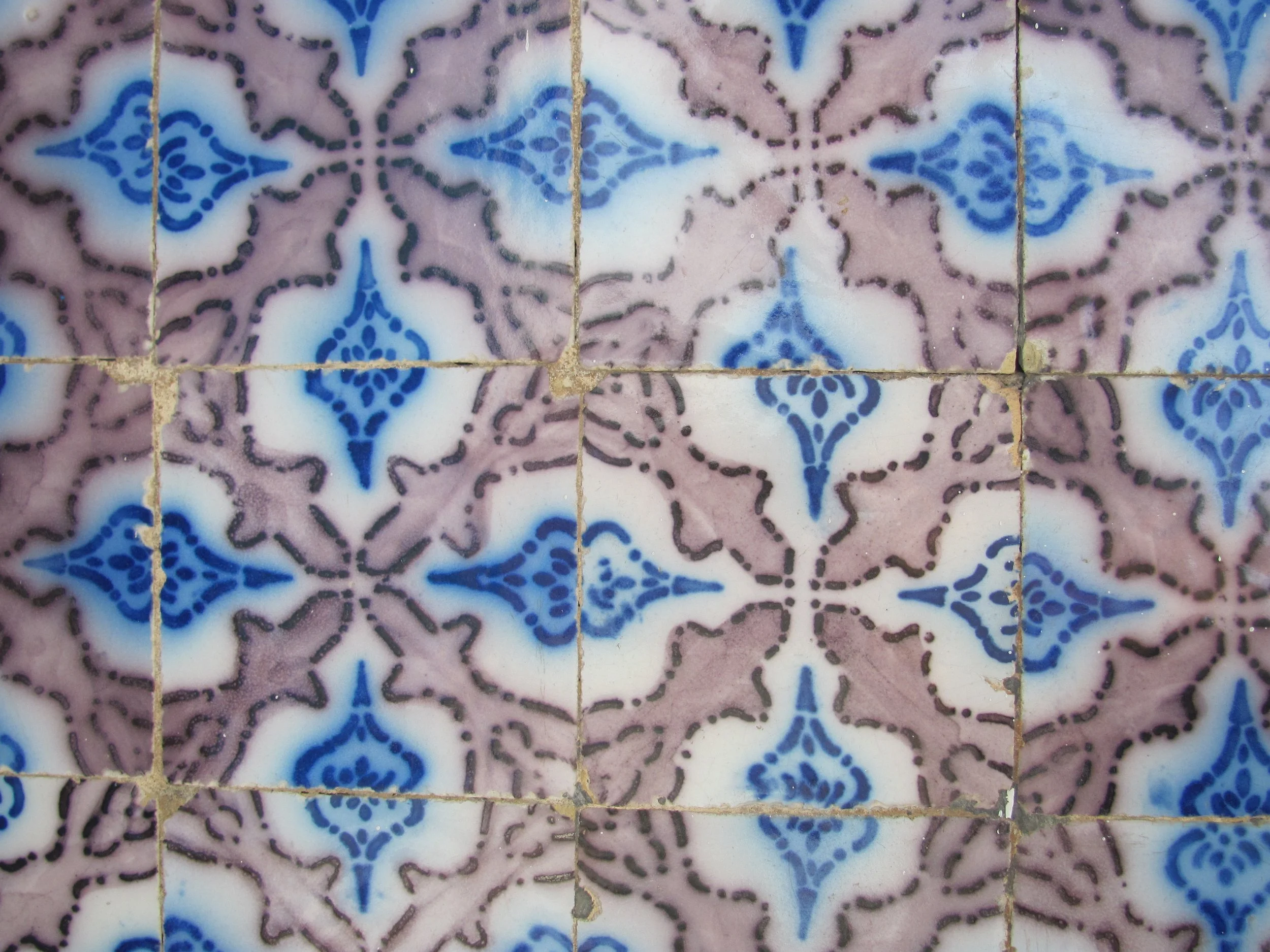
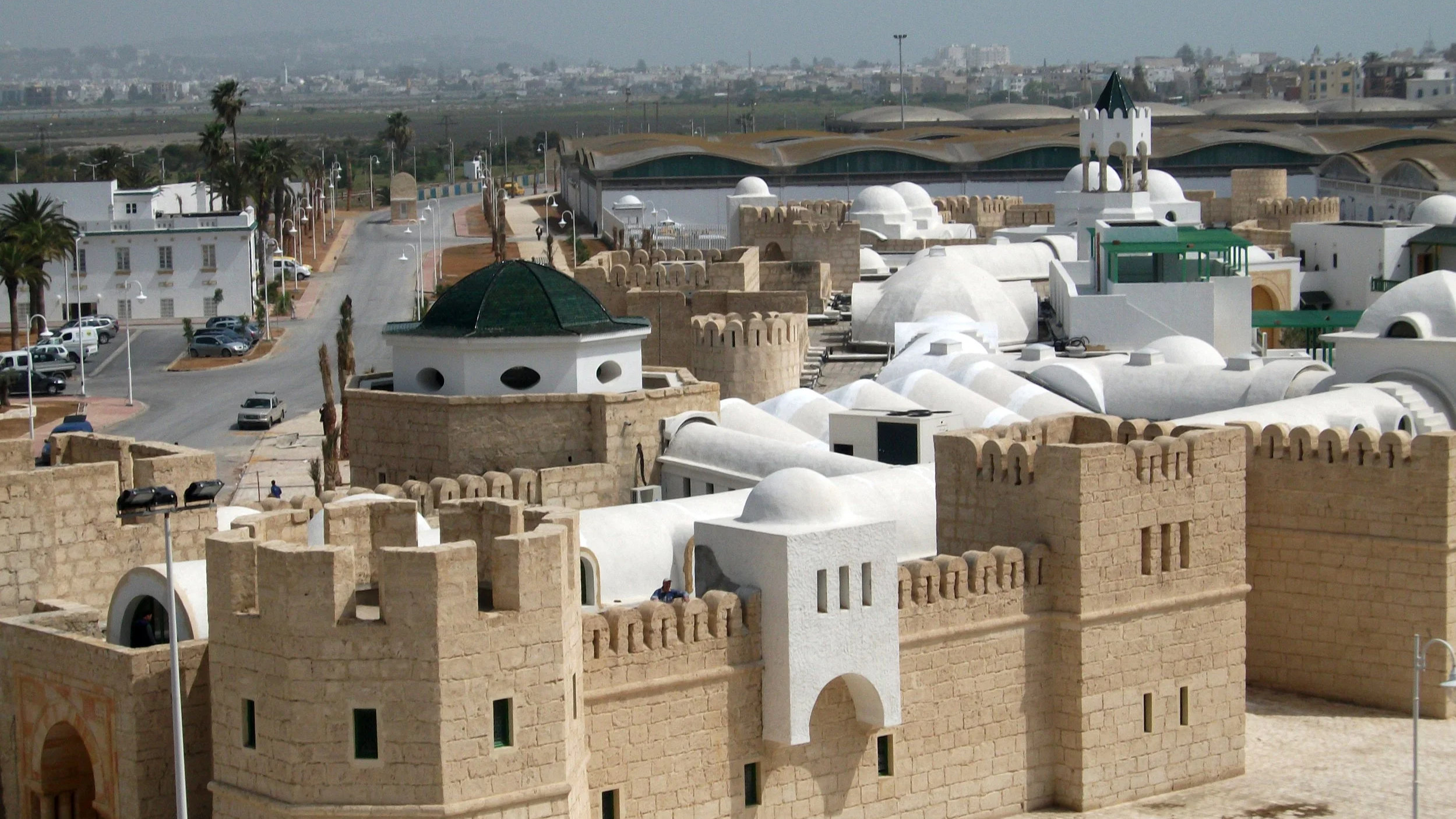
Figure 7. Tiles photographed in Sidi Bou Said, Tunisia. (Same model as Figure 3 from the author’s collection in Buenos Aires), listed as No. 254 in Artucio's catalogue of French tiles in the Río de la Plata.
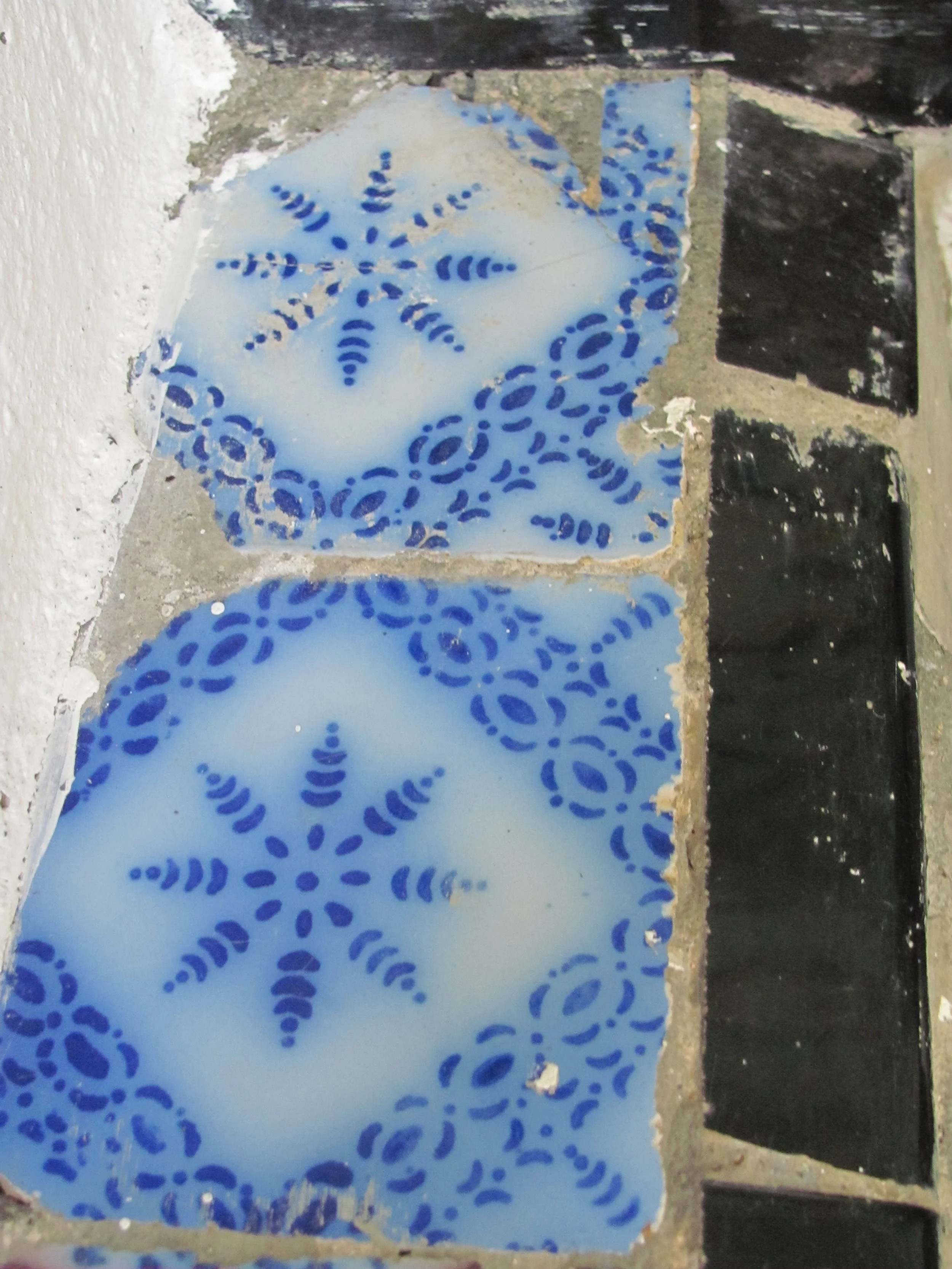
Figure 7. Tiles photographed in Sidi Bou Said, Tunisia. Model listed as No. 364 in Artucio's catalogue of French tiles in the Río de la Plata.
A South-South connection: the little man on the tile
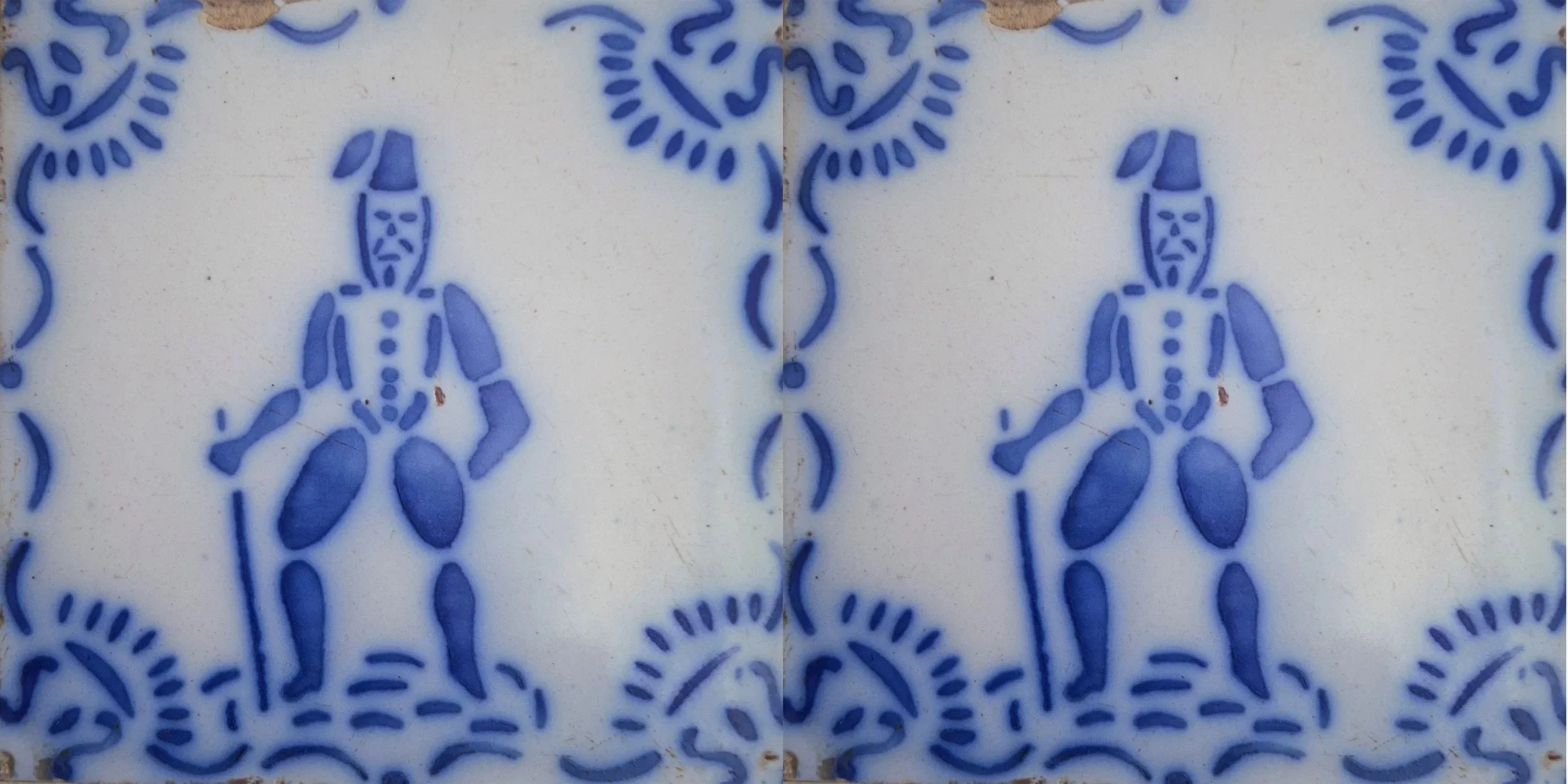
Framed by decolonial theories, I would like to call attention to a detail that reveals an unexpected South-South connection. The most celebrated tile motif used in the region is the one known as “the little man on the tile” (el hombrecito del azulejo): a representation of a male figure wearing a distinctive hat and carrying what appears to be a walking stick. Its fame rests on two grounds: it is extraordinarily rare—only a handful of examples survive today, compared with thousands of pieces in other designs—and it was immortalized by Manuel Mujica Láinez, one of the great Argentine writers of the twentieth century, in a short story of the same title, in which a lonely child befriends the figure depicted on the tiles of his home in late-nineteenth-century Buenos Aires. The enormous popularity of the story further heightened interest in an already elusive motif.
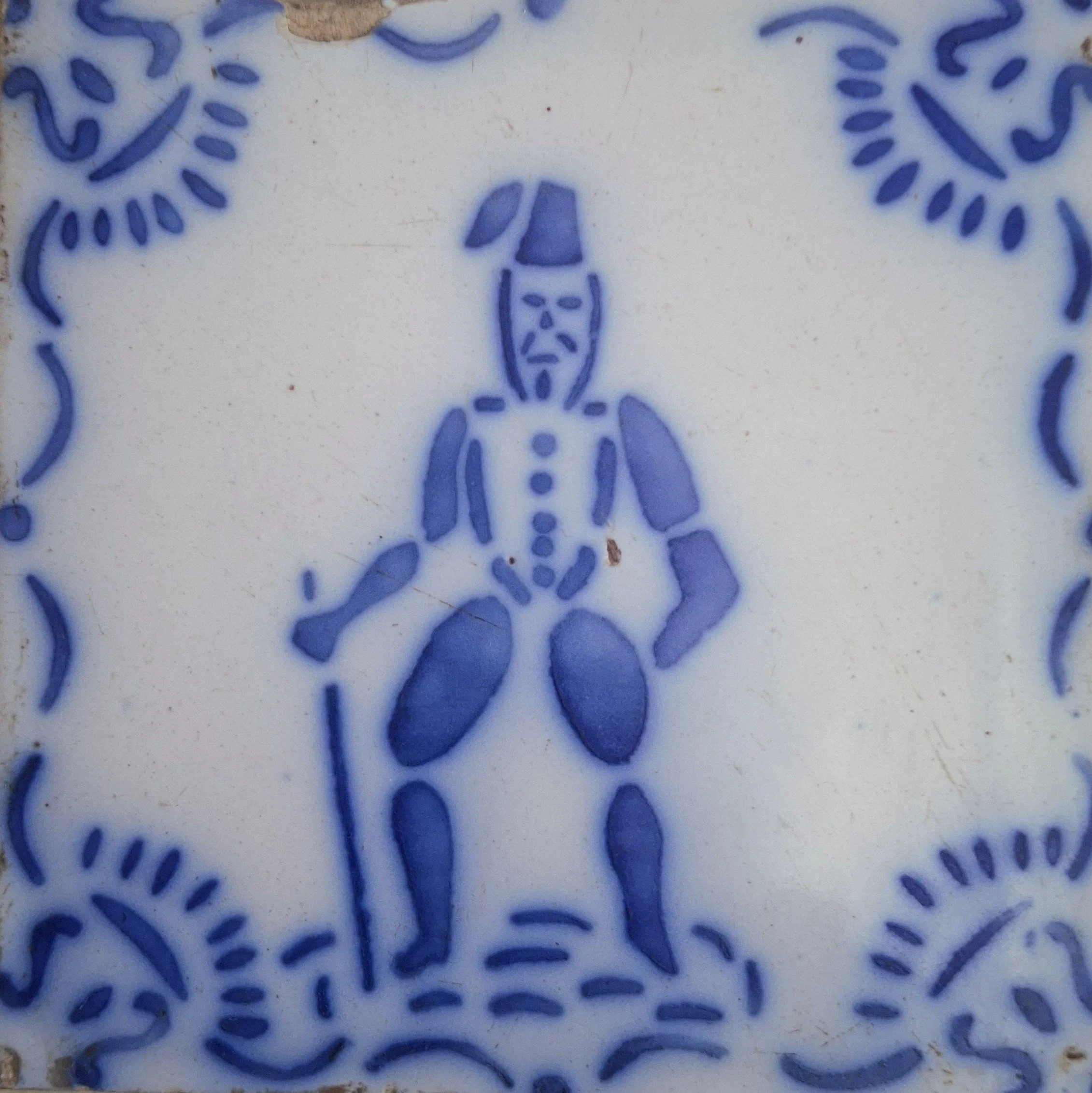
Figure 9. French Tile c. 1850-1900 "Litlle man" model. Private collection, Buenos Aires.
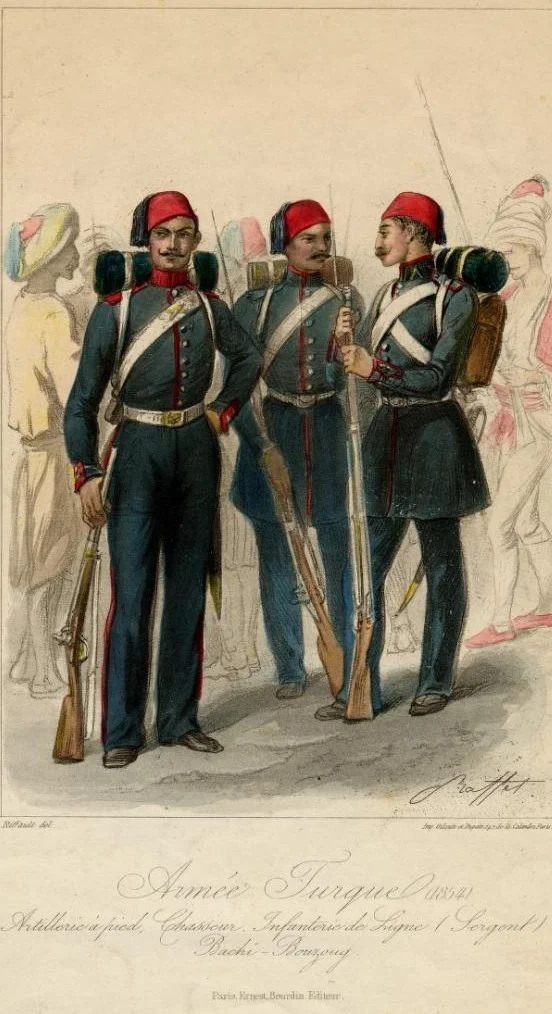
Mujica Láinez describes the figure as wearing a "pixie cap" (gorro de duende) and, at another point, as having removed his "bonnet" (bonete). Yet to anyone familiar with the Islamic Arab world, the headgear is unmistakably a fez or tarbush (Arabic: طربوش, ṭarbūsh), and the "mysterious" little man clearly evokes the image of an Ottoman soldier of the period.
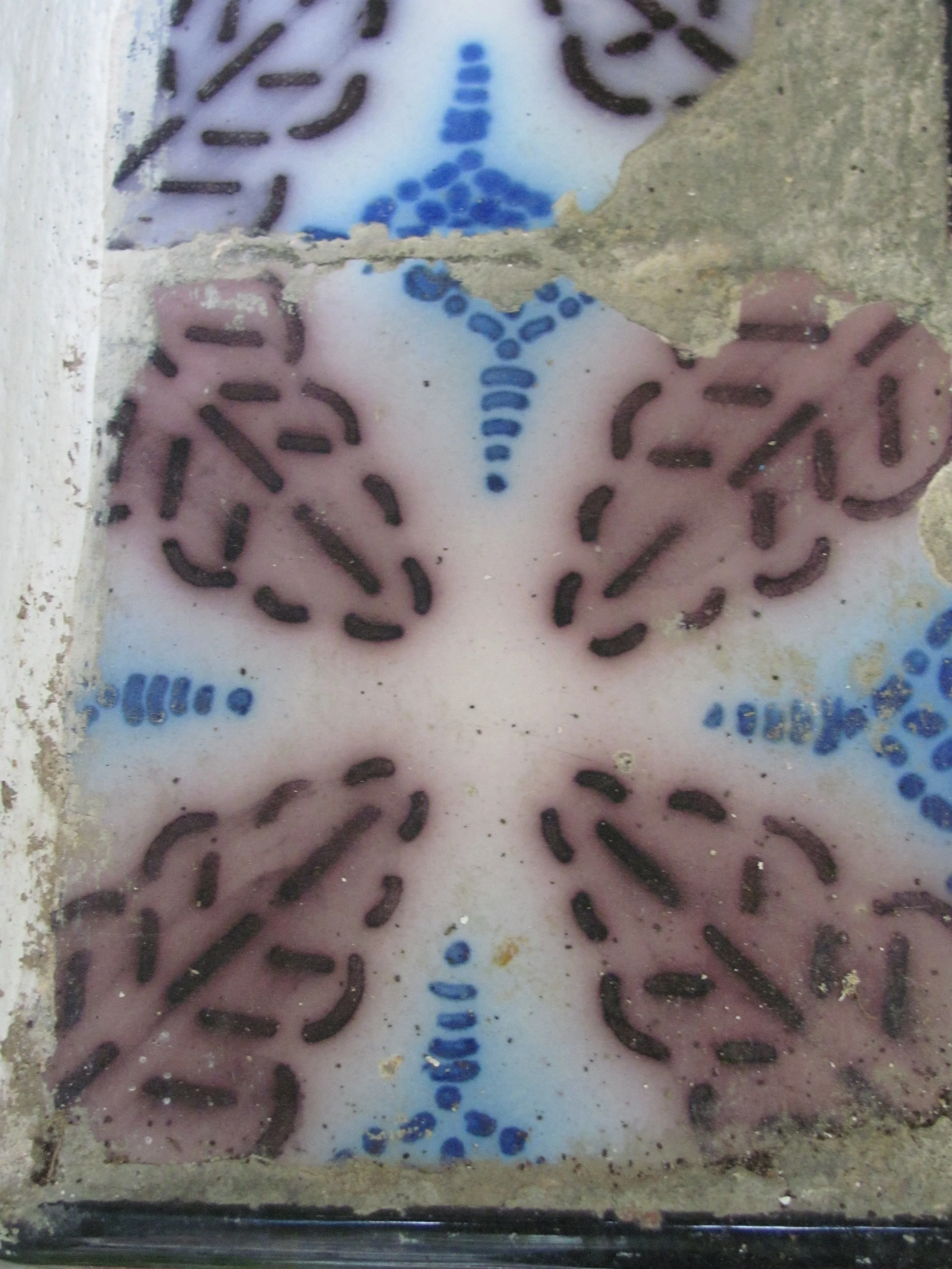
This is entirely understandable: the European powers, in addition to their commercial interests in South America, held colonies and trading interests across the southeastern Mediterranean, and these same tiles were exported to Arab countries. I have been able to verify this personally in Tunisia, where pieces identical to those found in South America were also used.
““The Ottoman soldier depicted on the tile was not an ornamental curiosity: he was a product designed for one periphery that ended up, by the same commercial circuits, in another.””
It follows that the "little man"—or more precisely, the Ottoman soldier—is an uncommon motif in South America precisely because it was a design conceived for sale in the Arab-Ottoman Mediterranean, not in the Río de la Plata. In this way, what historiography has read as a French presence was in fact the trace of a deeper, less evident connection—one that links Latin America to the Arab-Islamic world through the very same objects and bodies of knowledge.
The little man on the tile makes this web of relations visible. In the late nineteenth century, North Africa occupied a structural position in the global economy that closely paralleled that of the formally independent nations of the Southern Cone: Algeria, Morocco, and Libya were outright colonies of European powers—France, Spain, Italy—supplying raw materials and consuming manufactured goods under conditions of enforced dependency.
Brazil, Argentina, and Uruguay, though nominally sovereign, operated within the same extractivist logic through unequal trade agreements that effectively reproduced colonial asymmetries. The same tiles crossed both routes—south to the Río de la Plata, east to the Ottoman Mediterranean—because both regions were, in economic terms, peripheral markets for the same European industrial system.
The Ottoman soldier depicted on the tile was not an ornamental curiosity: he was a product designed for one periphery that ended up, through the same commercial circuits, in another. What appears to be a French cultural presence turns out to be, on closer inspection, evidence of a shared subaltern condition—a South-South connection that the extractivist system itself, inadvertently, brought into being.
Citation:
Fernando Luis Martinez Nespral, “The Little Man on the Tile,” Platform, September 21, 2026.