The Architect as Producer: Architectural Theory as Liberatory Practice
Architectural theory has a strange reputation in architecture schools, where it often seems to point specifically to the conversations summarized by the anthologies edited in the late 1990s by Neil Leach, Kate Nesbitt, and K. Michael Hays. Having studied with both Nesbitt and Hays many years ago, I became very familiar with this set of readings. The effort of translating them into Spanish in order to teach them in Ecuador increased this familiarity but also led me to question many of their reasonings and their applicability and relevance in South America. Much of my thinking about this corpus has revolved around the work of Manfredo Tafuri and his essay "L'Architecture dans le Boudoir," the subject of some research I did in Michael Hays' class at the Graduate School of Design many years ago and published in an early essay in Log 11 (2008). That essay was missing a conclusion, and it is to this conclusion that I want to return today, in order to reclaim what we designate as architectural theory and broaden its scope. Writing in 1974, Tafuri speculated on the possibility of an architecture of production. Thinking with Walter Benjamin's essay "The Author as Producer," Tafuri wondered what it might mean to translate these questions to architecture: to renounce the traditional values of the discipline and think instead of its position within the capitalist production cycle. As a student, I was fascinated by the possibilities hinted at by Tafuri, but I wasn't able to fit them into a neat diagram as I had done with the rest of the essay (Figure 1). It is to this notion of the architect as producer that I return to in this text, in an effort to reclaim what we designate as architectural theory and broaden its scope.
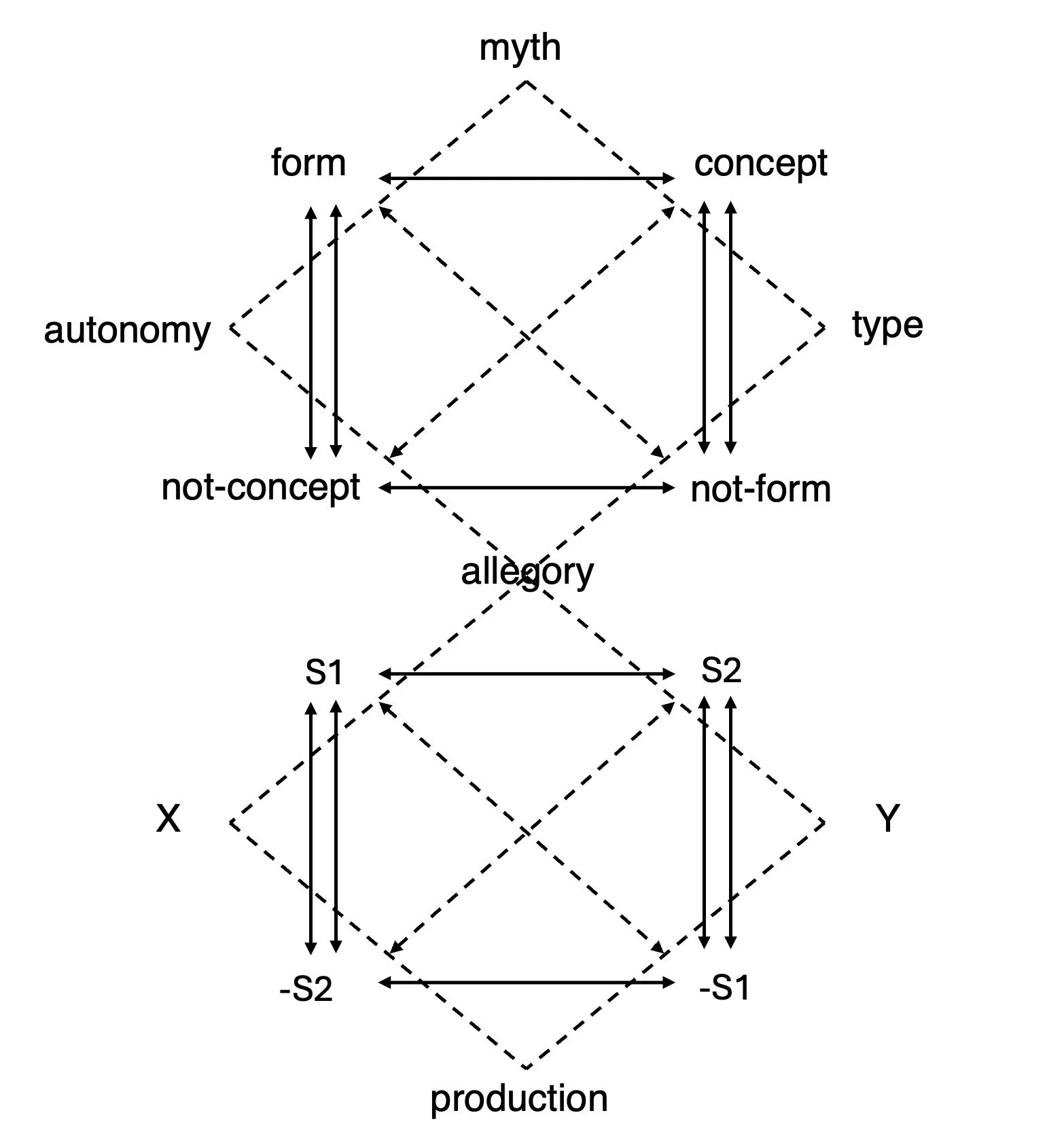
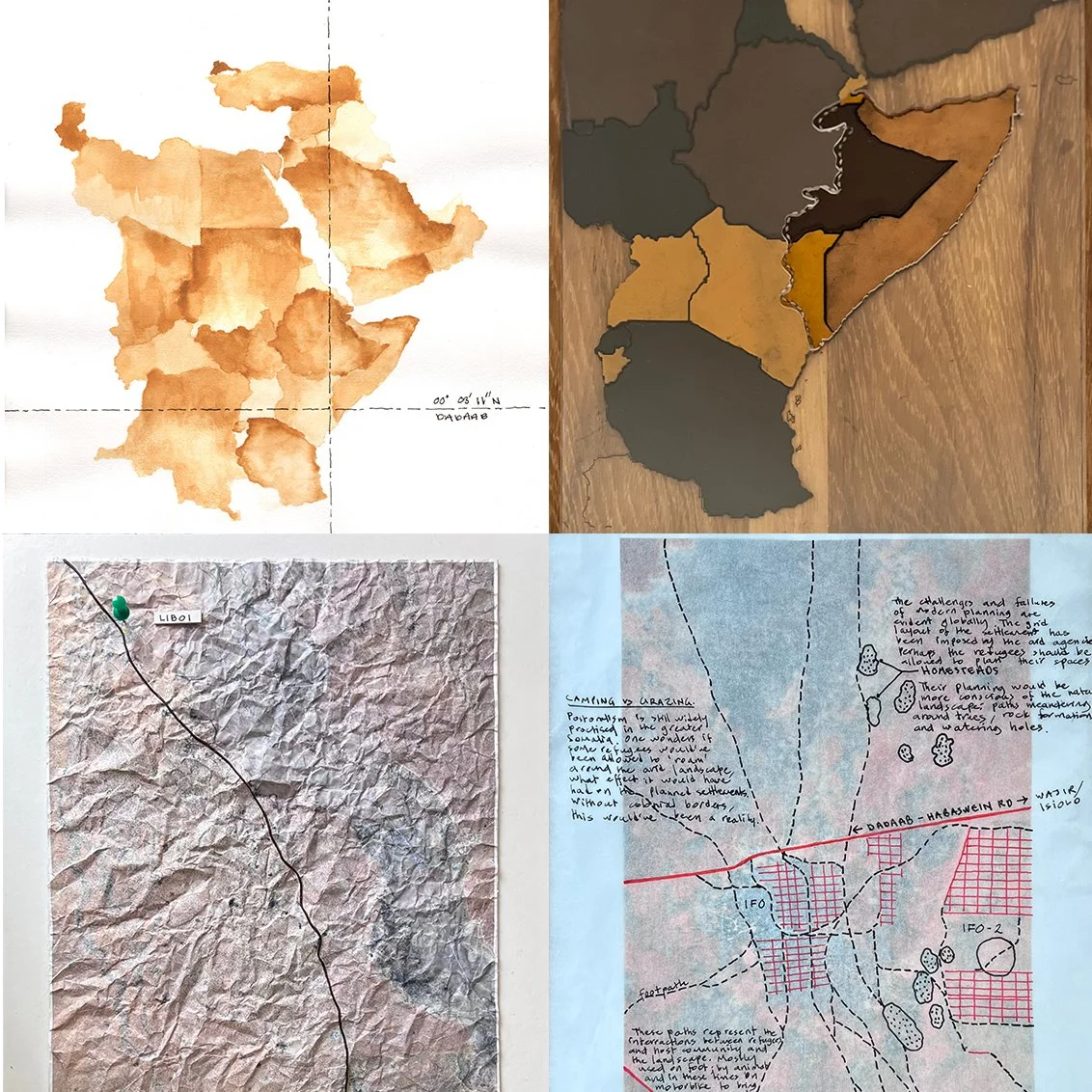
Figure 1: Ana María León, Expanding the Boudoir: Production (2000–2026)
I am no longer interested in making a structuralist diagram of an architecture of production, but I have been able to explore what this type of practice might entail through my research and teaching. In the former, I have found myself and fellow architectural historians are increasingly invested in researching and writing these histories. In the latter, I have found that students—particularly those planning to be practicing architects—are increasingly concerned with the ethics of land dispossession and war, material extraction and its consequences on the environment, the appropriation of human labor and the multiple forms of gender and racial inequity. In other words, thinking about an architecture of production entails thinking about the ongoing challenges of both historical research and architectural practice, in contrast with the isolation of "the boudoir."
This turn, from forms of writing and practice abstracted from material urgencies to those engaged with contemporary challenges on the ground can be summarized as a turn from a Hegelian framework to a Marxist one. This turn has an early example in the work of Brazilian architect and theorist Sérgio Ferro, whose development of a Marxist architectural historiography has recently received more attention, particularly through the TF/TK project (Translating Ferro / Transforming Knowledges of Architecture, Design, and Labour for the New Field of Production Studies). Ferro's attention to the effects of new materials and technologies in the disempowerment of construction workers provides valuable insights into ongoing conversations. More recently, Joan Ockman advocated for thinking about architecture as a form of production, arguing for the geopolitical and ethical implications at stake. There is no need for a new diagram to understand the position of architecture within the relations of production, we have one already: David Harvey's helpful summary of Marx's circulation of capital (available here). I am interested on the outside frame of this diagram, in which we find the so-called "free gifts of nature." [1] The realities of climate change, land depletion, and genocide have made it abundantly clear that these gifts are not free. We can outline them as the lands or territories where architecture is sited, the materials that are extracted to be transformed into construction commodities, and all the labors comprised in the design and construction of a project. Many scholars and practitioners are currently thinking about these urgent topics, and one of the goals of this essay is to foreground this expanded field.
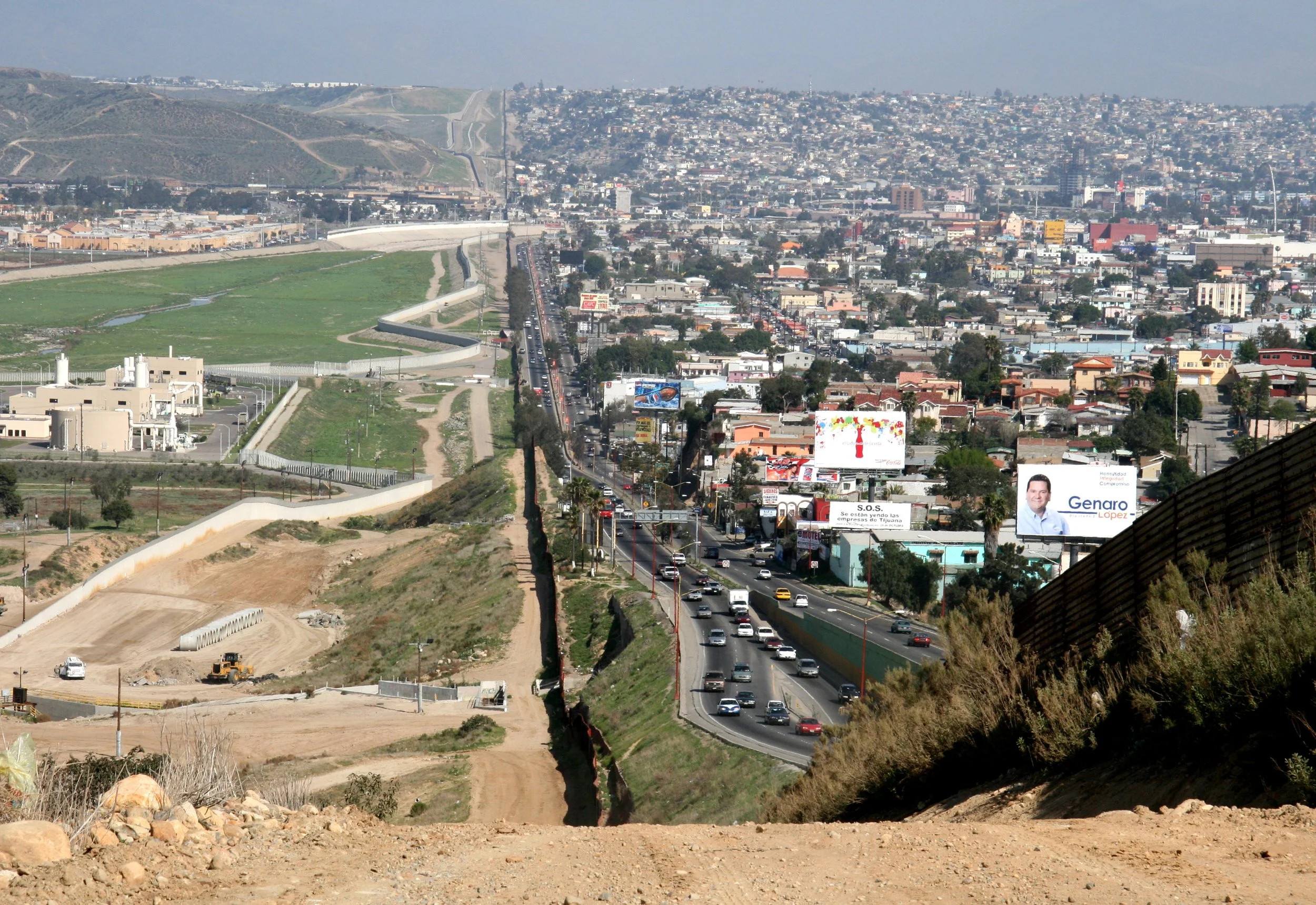
Discussions over land have focused on the urgency of land occupation and extraction. The work of Indigenous scholars and communities have reclaimed the discourse on the rematriation of land as an ongoing struggle. Black and brown peoples have denounced their constant fight against dispossession and displacement. Brenna Bhandar, Keeanga-Yamahtta Taylor and Richard Rothstein, among others, have researched the links between racial segregation and laws and policy decisions that promoted patterns that continue to the present, many architectural historians have taken up the task to research these histories. Histories of land, land reform, real estate, and property have been important themes in architectural history dissertations, panels, and book projects. Scholarly research has turned to the colonization, occupation, and dispossession of land, the patterns of migration and resettlement these processes prompt, and opportunities for rematriation and reparation (for instance, in the work of Eyal Weizman, Anooradha Iyer Siddiqi, and Paulo Tavares, to name a few).
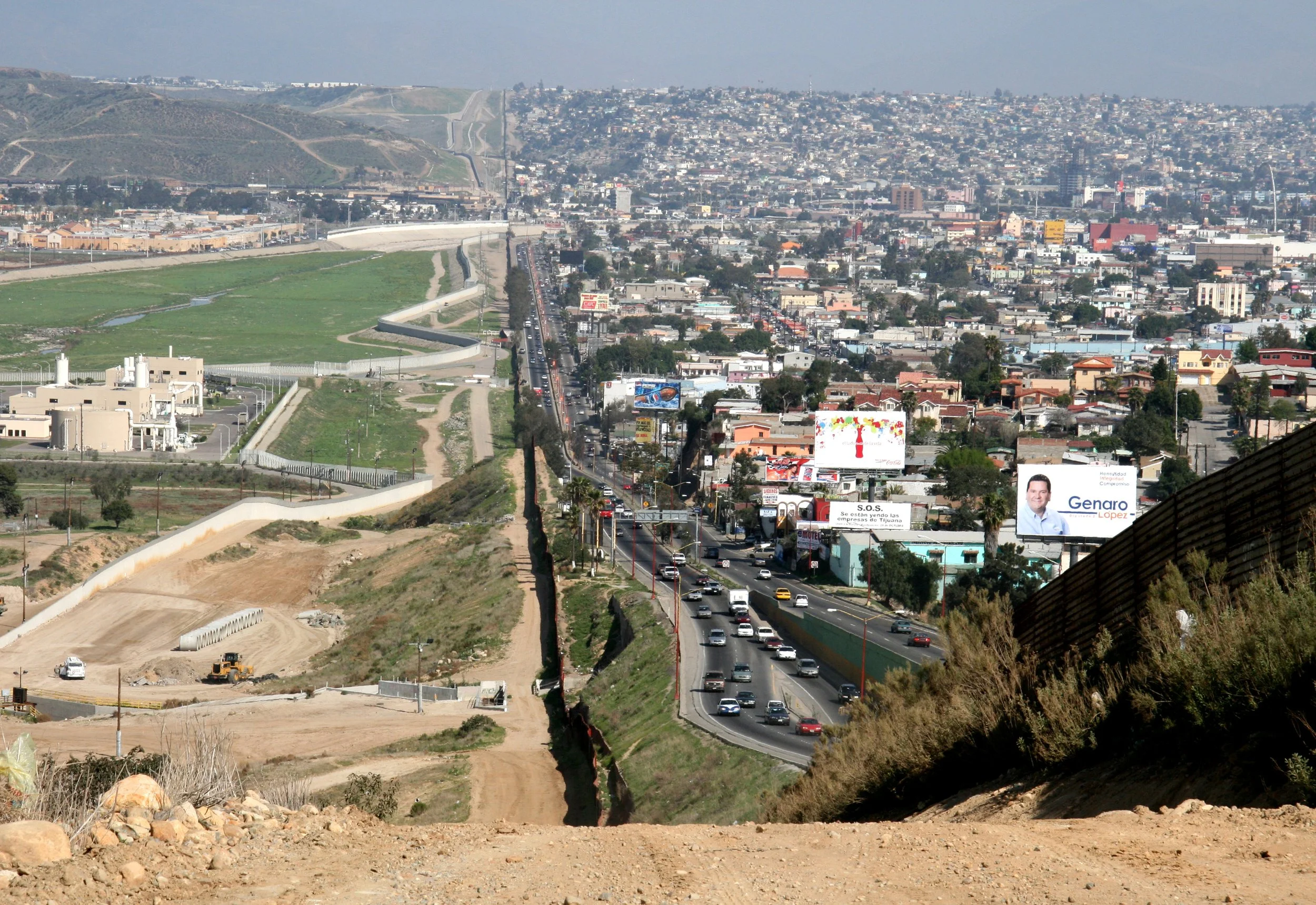
Figure 2: Land border between Tijuana and San Diego, 2007. Photo: Sgt. 1st Class Gordon Hyde, public domain)
There has been much discussion on the so-called "material turn," first in art history and closely following in architectural history and theory. Beyond these conversations, turning to the role of materials in the processes of architectural production leads to histories of material extraction, use, and disposal. In their respective books on the extraction and circulation of materials and their transformation into building components, Jane Mah Hutton and Kiel Moe combine historical materialist and new materialist approaches to make parallel arguments towards a defetishization of building commodities. Hutton argues: "If human labor and land are obscured through commodification, then tracing the lives of the commodities can be an active method of uncovering, and also of de-essentializing, the commodity." [2] Moe's argument takes a slightly different path, finding that the fetishization is present in the processes of abstraction cited by Max Horkheimer and Theodor Adorno as the tool of the enlightenment. Moe concludes that "It is precisely architecture's inability to describe itself that engenders its immense complicity with capital and other modes of sublimation." [3] Making these processes transparent—in Moe's example, by tracing back the materials and energy consumption embedded in the construction of the Seagram—might be the start of a practice of decommodification. My work with Andrew Herscher in the Settler Colonial City Project took a similar approach in our installation at the Chicago Architecture Biennial in 2019, in which we called out the histories of different materials and images in this building. In another recent installation, the Office of (Un)certainty Research expanded on these notions to foreground the energy, materials, labor, and molecules embedded in one house. In a recent article, Charlotte Maltherre-Barthes calls out the provenance of the materials in a construction detail. Maltherre-Barthes' broader project, A Moratorium on New Construction, takes these ideas to their logical conclusion. Katie Lloyd Thomas, Antoine Picon, Peter Christensen, Diana Martinez, and other architectural historians have thought carefully and critically about materiality and the role of materials and materiality in their research. Increased attention on the imperative of maintenance, reuse, and repair further contributes to this line of thinking.
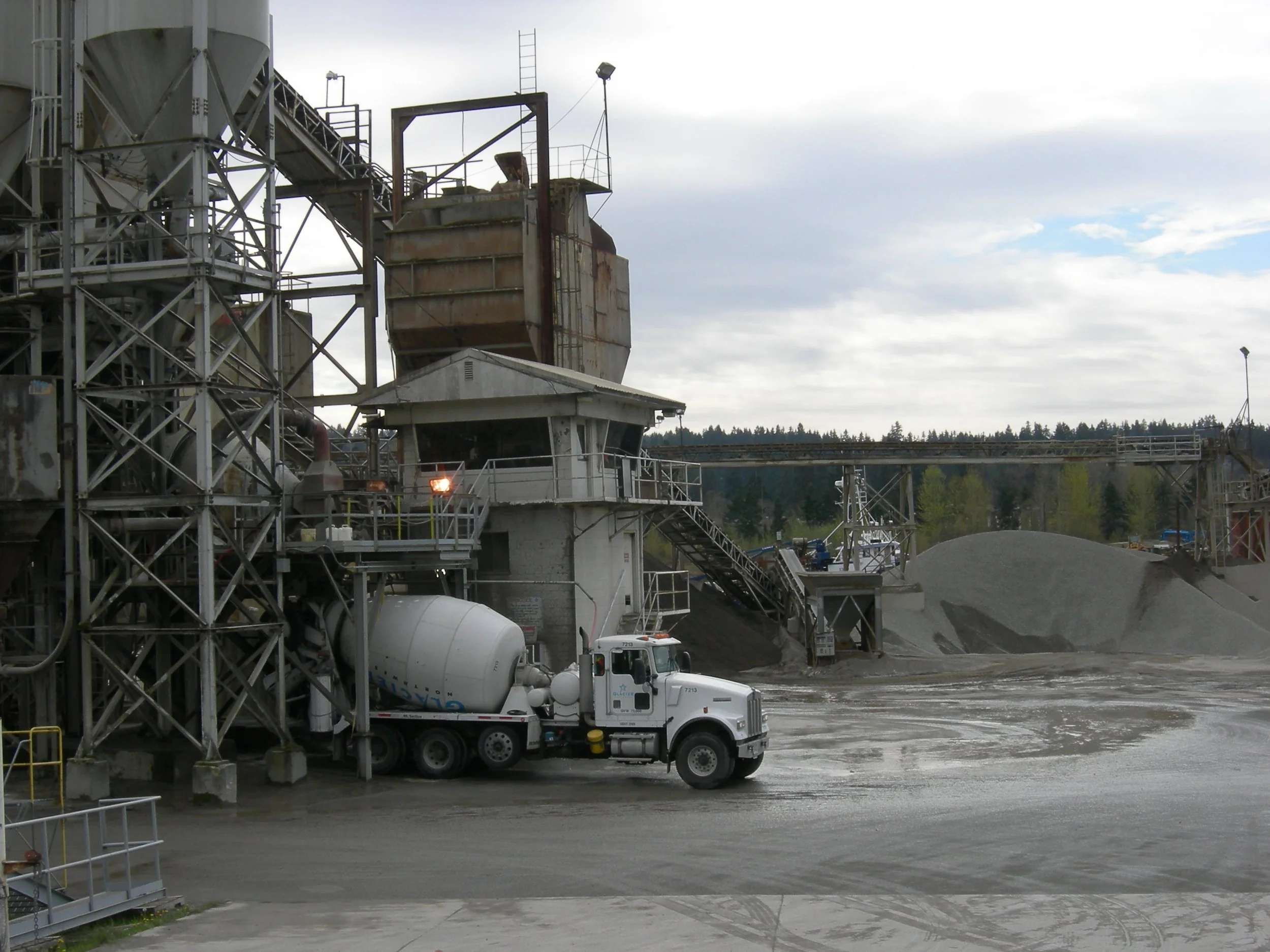
Figure 3: Materials: Glacier Northwest cement works, Kenmore, Washington, 2007. Photo: Joe Mabel, GFDL permission / CC BY-SA 3.0
Alienation returns in discussions of labor, which is alienated from workers and turned into a commodity within the capitalist mode of production. The discussion of the role of labor within architectural production came to the foreground publications by Peggy Deamer, Douglas Spencer, Pier Vittorio Aureli (and the whole issue of Harvard Design Magazine 46: No Sweat). More recently C. G. Beck has made an important intervention in reconsidering the role of labor in architecture. Multiple architectural historians have tackled histories of labor and histories of the discipline, including both the reconsideration of architectural labor (including the work of Dana Cuff, George Johnston, Bryan Norwood, Aaron Cayer, Michael Kubo, and several essays in HDM 52: Instruments of Service) as well as close thinking over construction labor such (including the work of Who Builds Your Architecture?, Natasha Iskander, Namita Dharia, Sarah Lopez, María González Pendás, and others—see also SPACE/LABOR, one of several collaborative readings lists I have instigated). Feminist scholars have further complicated notions of labor in the domestic realm both in architectural history and beyond (from the campaigns for wages for housework to the work Tithi Bhattacharya, Nancy Fraser, and others, and within architecture the work of Matrix, Dolores Hayden, and others—see SPACE/GENDER for longer bibliography).
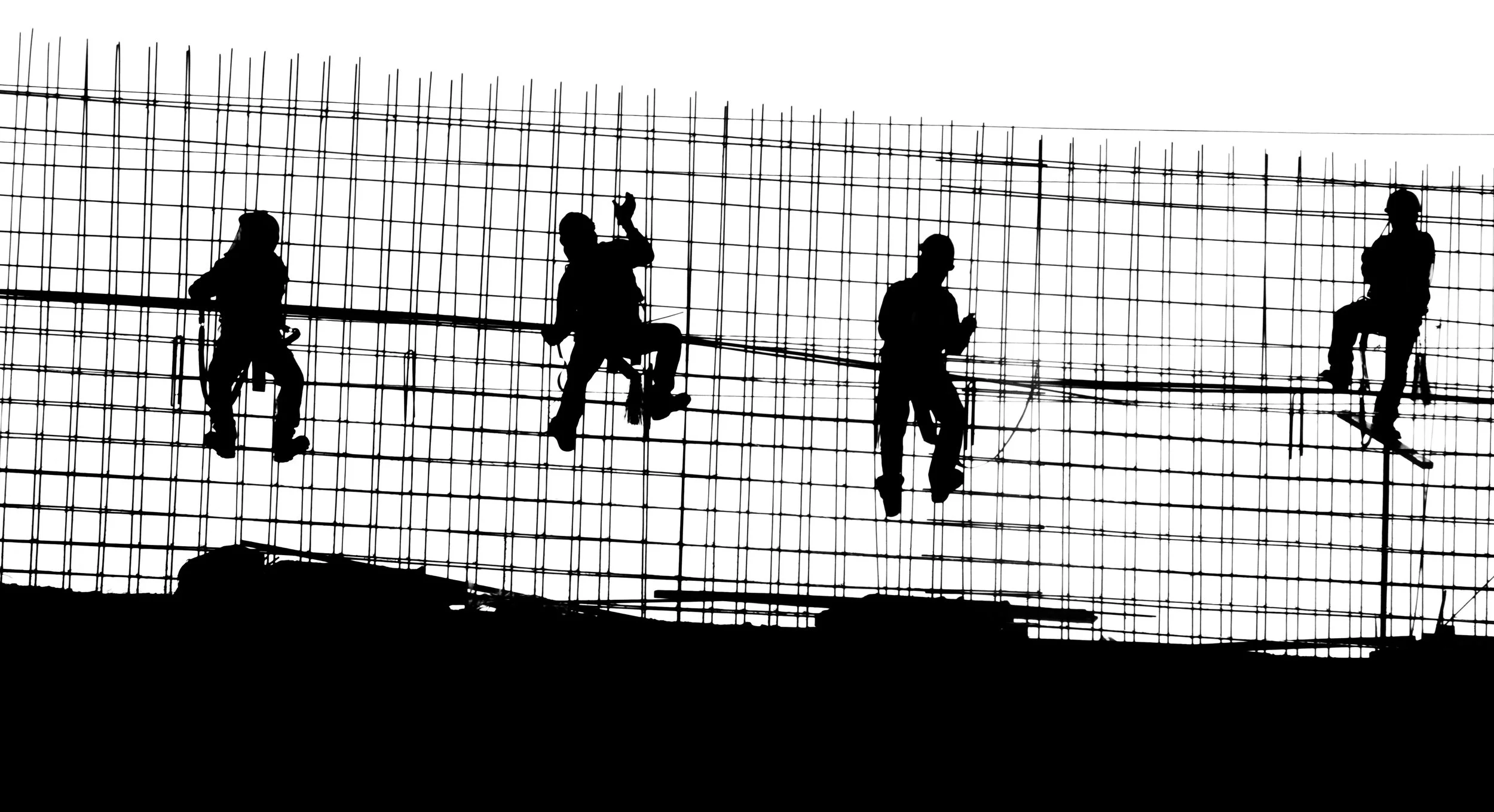
Figure 4: Labor: Construction workers in Mexico preparing a concrete structure. Photo © Tomas Castelazo, www.tomascastelazo.com / Wikimedia Commons / CC BY-SA 4.0
Research on the role of architecture within the relations of production is not isolated, it is in conversation with architectural practice and other forms of practice and organizing on the ground. The work of collective land trusts such as Sogorea Te' and The Guild, and efforts in housing such as Architects Against Housing Alienation have worked to resist patterns of dispossession. Discussions on material extraction have been brought to the foreground in initiatives such as Billy Fleming's research, agency, and his recent book. Space Caviar's platform and book on Non-Extraction have contributed in different ways to the reconsideration of materials and extractive processes in the architectural project. Issues of labor have been at the foreground of the formation of The Architecture Lobby, Architectural Workers United, and other groups beyond the United States, the group Design for Freedom raises awareness on forced labor in the building materials supply chain. In the recent Emerging Voices Series, the conversation between French 2D and Future Firm turned to forms of reframing the discipline to be in relation with the different participants of the design and construction process. Rather than an architecture of the boudoir, the present situation finds many small practices expanding their reach to collaborate with various collectives, change codes and limitations, and connect with different trades. This conversation is also present in academia, where studio options on collective modes of living and thesis projects on material life cycles are seeking new solutions.
In fact, conversations on these topics have been so abundant in terms of both architectural research and practice that it is frustrating to hear concerns about the scarcity of architectural theory. What is at issue here is that the term "architectural theory" has been restricted to the small set of internalized architectural conversations that was the focus of Tafuri's critique. The notion of architectural theory became synonymous with these discussions, to the degree that speaking about theory is still considered equivalent to discussing a very circumscribed set of topics and authors. Half a century later, we understand that the attempts at architectural autonomy theorized in the late twentieth century were only reabsorbed and appropriated by capitalism.
““Research on the role of architecture within the relations of production is not isolated, it is in conversation with architectural practice and other forms of practice and organizing on the ground.””
Architectural discourse has been produced in different ways since we started changing our environments to accommodate our needs and desires. As part of the increased professionalization of doctoral dissertations, doctoral research on architectural history has paid close attention to historiographic methods, incorporating theory as a core component of research. In the past ten or fifteen years, a significant part of the reflection and theorization of the designed environment has been written by architectural historians. The result is an abundant production of scholarship on the built environment that while operating within architectural history, responds to the contemporary crisis on land, materials, and labor and while it seeks to historicize these crises, it also responds by theorizing them. There are many examples to note here, but I'd like to single out Fernando Luiz Lara's Spatial Theories for the Americas, which argues for the landscapes of the Americas as way to problematize Eurocentric theories of space and proposes a reconfiguration of spatial thinking from the Americas. Conservative historians have accused some of these approaches of presentism. These claims can only be rebuked by understanding that the nuanced revision of underexamined aspects of architectural history and thinking beyond the North Atlantic and beyond solely aesthetic concerns and their links with class, gender, body, and racial privilege does not respond to a temporary trend, but is rather a necessary and most often urgent task for architectural history.
By examining the role of architecture within the system of production I don't mean to argue against the roles of form and concept in the constitution of the discipline. Rather, I seek to decenter these notions to understand their entanglement with the relations of production that constitute our present and future, to provide our discipline with the insights that might allow it to resist the violence of capitalist extraction. I am not arguing for a dismissal of formal and conceptual frameworks, but rather an understanding of their relationship with broader concerns. Alejandro Aravena has described this expansion in architectural practice as an expanded toolbox that goes hand in hand with resource scarcity, a situation that is familiar to practices in the so-called Global South but is now expanding to the North Atlantic and other regions of the world.
““Half a century later, we understand that the attempts at architectural autonomy theorized in the late twentieth century were only reabsorbed and appropriated by capitalism.””
My broader argument seeks to reclaim the label of architectural theory for this broader set of conversations. Here, it is useful to reference bell hooks' thoughts on the necessity of theory as liberatory practice:
“For in its production lies the hope of our liberation, in its production lies the possibility of naming all our pain—of making all our hurt go away. If we create feminist theory, feminist movements that address this pain, we will have no difficulty building a mass-based feminist resistance struggle. There will be no gap between feminist theory and feminist practice.” [4]
In her text, hooks addresses the claims of theory as an elitist practice and the ways in which theory has been used to marginalize and oppress. hooks argues theory is not inherently liberatory or revolutionary, by extension, it is also not inherently oppressive. She reclaims the need to think theoretically: "we must continually claim theory as a necessary practice within a holistic framework of liberatory activism." At the same time, hooks argues for theory and practice as a "reciprocal process wherein one enables the other." [5] Denise Ferreira da Silva further clarifies the relevance of this connection: "we cannot stay in the work of critique, but we must go through critique to get to the work." [6] Thinking about theory as a moment of critical reflection prior to action entails connecting this reflection to practice. If we are to address the urgent crises of our contemporary moment, we must think with hooks and work towards closing the gap between thought and action.
Citation:
Ana María León, “The Architect as Producer: Architectural Theory as Liberatory Practice,” Platform, November 2, 2026.
Notes:
[1] Manfredo Tafuri, "L'Architecture dans le Boudoir," in Oppositions 3 (1974), 292–316; Walter Benjamin, "The Author as Producer," in The Work of Art in the Age of Its Technological Reproducibility and Other Writings on Media (Harvard University Press, 2008). Maria Gough has reflected on this notion within art history, see Gough, The Artist as Producer: Russian Constructivism in Revolution (University of California Press, 2005). I recently discussed my original diagram in the context of this conversation here.
[2] Hutton, Reciprocal Landscapes, 6. Hutton cites the work of Noel Castree, "The Geographical Lives of Commodities: Problems of Analysis and Critique," Social & Cultural Geography 5, no. 1 (March 2004): 23.
[3] Moe, 41.
[4] bell hooks, "Theory as Liberatory Practice" in Yale Journal of Law and Feminism 4, no. 1 (1991), 12.
[5] hooks, 2.
[6] Denise Ferreira da Silva quoted in la paperson, A Third University is Possible (University of Minnesota Press, 2017), 43.