Meet Me at the Plaza: Migration and Aging in the Suburbs
North American suburbs are aging, both their residents and built landscapes. Shopping centers built in the 1960s are reaching the end of their life cycle, with mixed-use high-density projects replacing modest shopping plazas. For many who are graying in colder climate suburbs such as Toronto, malls offer a space for socializing, exercising, and running errands. Aging malls with their lower rents also offer opportunities for elders to run a business in their retirement years. Just as immigrants transformed postwar suburbs into bustling commercial and cultural centers, they are now extending the life of these same malls.
Forty years ago, store manager Deanna Ho couldn’t keep enough vases in stock at H.F. Arts and Crafts in Dragon Centre, Scarborough, a city 25 km east of Toronto’s Old Chinatown. Tucked behind another shopping plaza on Glen Watford Drive in the Agincourt neighborhood, the mall’s parking lot often overflowed with customers driving from as far away as Mississauga, 45 km west of Scarborough and bypassing Chinatown altogether. The mall was no stranger to controversy as over 100,000 Hong Kong Chinese arrived in the Greater Toronto Area (GTA) between 1968 and 1990 and settled in suburban communities that were majority white.
“Where malls are aging, new relationships are possible for diasporic communities.”
Conflict between long-time Anglo-Canadian residents and Chinese newcomers erupted at Dragon Centre when it opened in 1984 following Daniel and Henry Hung’s $800,000 roller rink conversion into North America’s first indoor Chinese mall. City planners were unprepared for the parking demands, local community opposition, and thinly veiled threats against the mall and its ethnic community.
In the months and years that followed, the city of Scarborough formed a task force on race relations, the planning department rejected a proposed Chinese language theatre following opposition by Chinese residents fearing conflict, and more tension over GTA Chinese malls gained national media attention. Scarborough was amalgamated into the city of Toronto in 1998, and the center of Asian ethno-urban settlement shifted beyond Toronto’s borders to Markham, Richmond Hill, and Mississauga where even larger malls and shopping plazas opened next to new subdivisions.
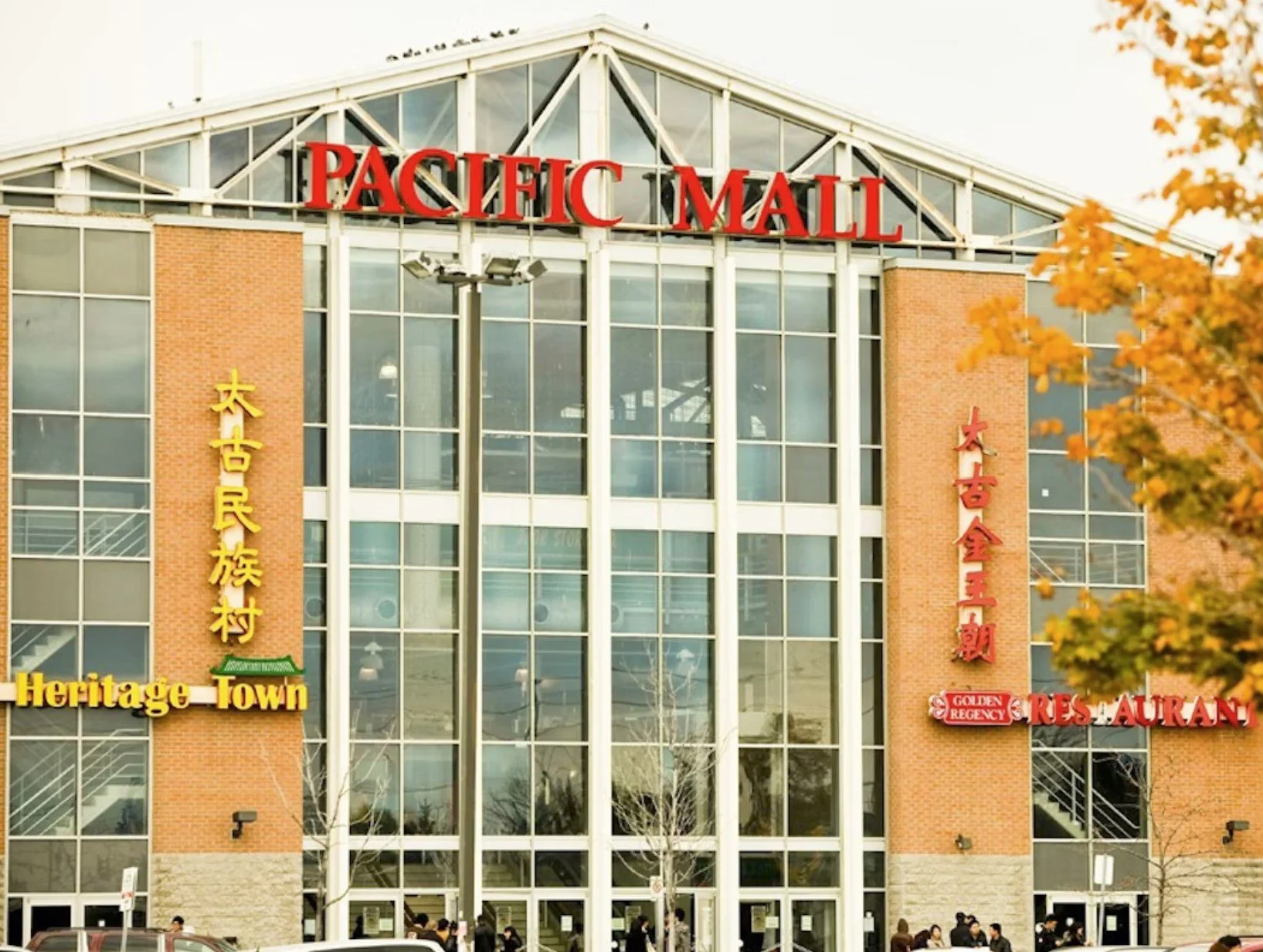
Figure 1. Larger malls such as Pacific Mall in Markham were constructed in the late 1990s in response to growing demand among Hong Kong migrants for investment in retail condominiums that satisfied the Canadian Immigrant Investor Program requirements. Photo by author.
Whereas in the 1980s, $7000 vases looked “lost” in palatial Scarborough houses purchased by wealthy Hong Kong arrivals, now they gathered dust in shops filled with unsold wares. The transformation of Scarborough into a wealthy enclave did not materialize, and today it has one of the highest rates of working and child poverty in urban Canada. The new wave of migrants bypassed Agincourt just as the earlier generation of Hong Kong immigrants had bypassed Old Chinatown (Figure 1).
In the 1950s, Victor Gruen, an immigrant from Austria, envisioned the mall as a community hub with fountains, landscaping, seating, and a spacious central atrium that could be used as an event space. Designed to entice visitors to linger and shop, the mall has adapted over the years to include parking garages, housing, and offices.
In aging suburbs and small towns, plazas and mini-malls have continued to play an important role for small businesses and community organizations seeking affordable rents. Abandoned by department stores and national chains, the mall has become both refuge and opportunity for immigrants in ways similar to the historic ethnic enclaves of arrival cities. Although less accessible by transit, suburban bus ridership is strong in the Greater Toronto Area.
In the conventional story of suburban migration, mobility is viewed as a positive outcome of immigrants choosing how and where to settle. Even if there is conflict over land-use planning tools including noise complaints, signage, and building permits, diversity is eventually embraced as a social and economic good. Researchers may fret about the oversaturation of ethnic malls, but the overall story is celebratory. More recent scholarship, however, challenges this narrative and asks what happens to older diverse suburbs facing gentrification pressures and demographic changes.
Figure 2. A shopping plaza next door to Dragon Centre was demolished in 2025, and the cleared land is currently for sale due to a downturn in the real estate market. Photo by Truman Wang.
Figure 3. Redevelopment plans for Dragon Centre were submitted to the City of Toronto in 2013, proposing two 30 story towers with 640 residential units. Photo by author.
My research examines suburban communities in limbo, where redevelopment has been proposed yet projects frequently stall. As buildings fall into neglect, change ownership, and cleared sites become overgrown with self-seeding plants, the legacy residents and businesses can also be viewed as self-sustaining and resourceful (Figure 2). Where malls are aging, new relationships are possible for diasporic communities. Over the past six years, photographer Morris Lum and I have been in conversation with Asian plaza managers, shop owners, and visitors. Working with students at the University of Toronto, we have photographed, mapped, interviewed, sifted through archival records, returning again and again to participate as members of a mostly suburbanized Asian community.
Figure 4. The Dragon Centre commemorative event gathered in the former Lam Shing Trading Company storefront, which had served as a small grocery store. Photo by author.
Initially, we viewed the sunset years of Dragon Centre, which was slated for redevelopment in 2018, with feelings of loss (Figure 3). Working with ERA Architects heritage consultants and community planners, we staged a storytelling event at the mall in 2019 when demolition seemed imminent (Figure 4). Over the years, we have witnessed the building’s state of disrepair, peeling paint, leaking ceilings, a weakening roof structure, as more and more businesses have left. Today, ten shops remain open. This past May, our five student researchers spent a month visiting aging Chinese plazas and speaking with the Dragon Centre shop owners to better understand why they have stayed on.
The most surprising thing our student researchers learned was that many of the businesses in this mall entered their leases after the pandemic when it was already suffering from a loss in foot traffic and slated demolition. Over the span of several conversations and multiple visits, it was revealed that the mall in its waning years offered a special space for these businesses, many of them run by people nearing retirement.
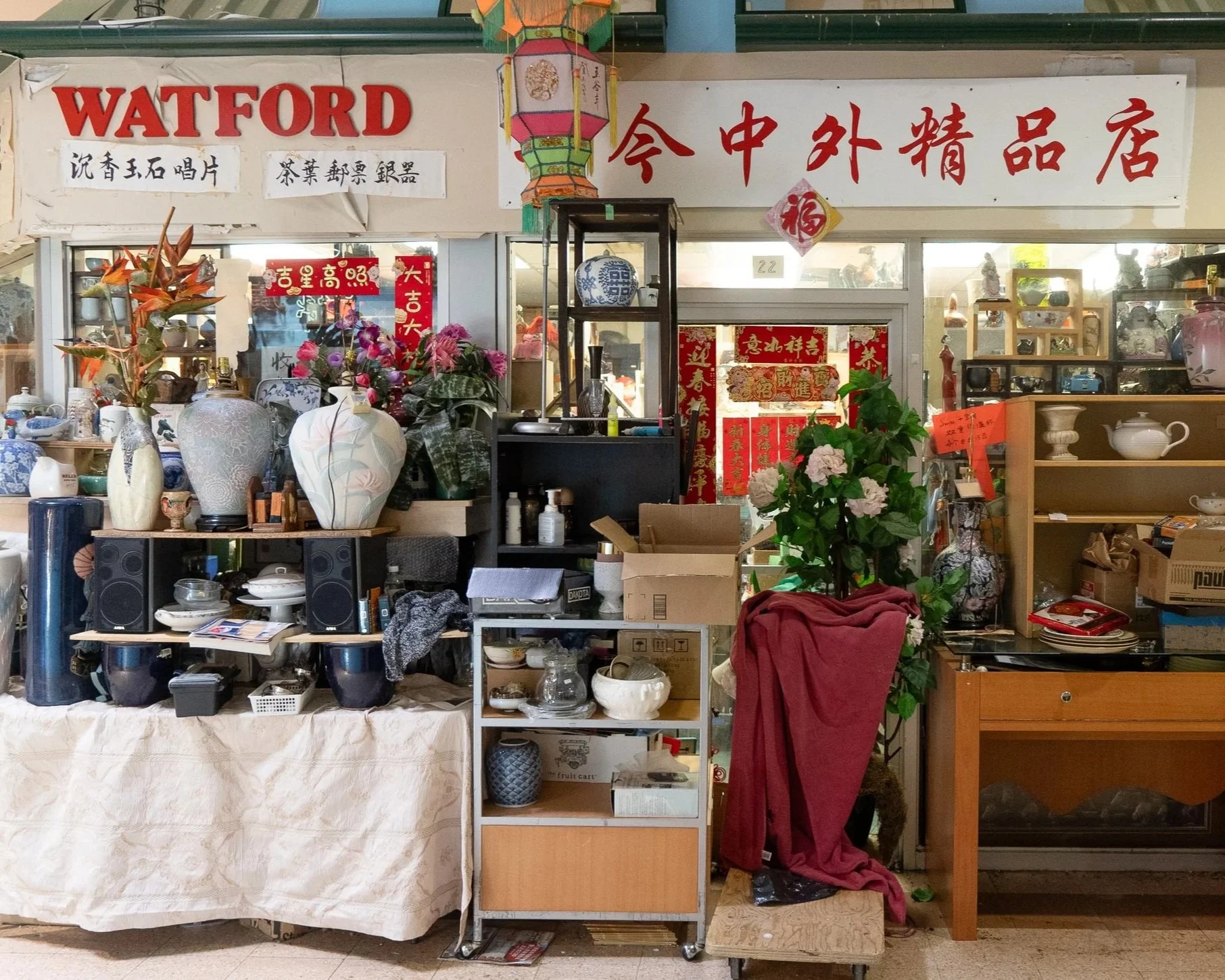
Part storage unit, part hobby space, Dragon Centre’s shops, hallways, and banquet restaurant function as a semi-private community centre (Figure 5). Although shop owners pay rent, their motivation is no longer economic. Work, as it has been for their entire lives, is the anchor that brings them back to Dragon Centre despite the leaking ceiling and dim lights. Meaningful work is less defined by financial metrics, but instead reinforces their sense of purpose, expertise, and maintaining relationships built over decades.
Figure 5. Retail units are completely filled with objects, and merchandise spills out into the corridor using repurposed furniture and textiles. Photo by Truman Wang.
By the early 2000s, Dragon Centre was surpassed by new Chinese plazas in Markham and Richmond Hill, and the slower pace began to attract a different kind of business. During the late 90s, school children and their parents would drop by for the afternoon tea discount or pick up new prescription glasses, but many businesses catering to families began to move away. The remaining anchors, including the dim sum restaurant and bookstore, were soon joined by shops selling medicinal herbs, antiques, refurbished electronics, and other goods appealing to hobbyists and retirees. Ocean Koon, owner of a dried seafood store, recalls how Dragon Centre’s hallway television would attract visitors during the 2012 Olympics, and lion dance crews would visit shops for the New Year.
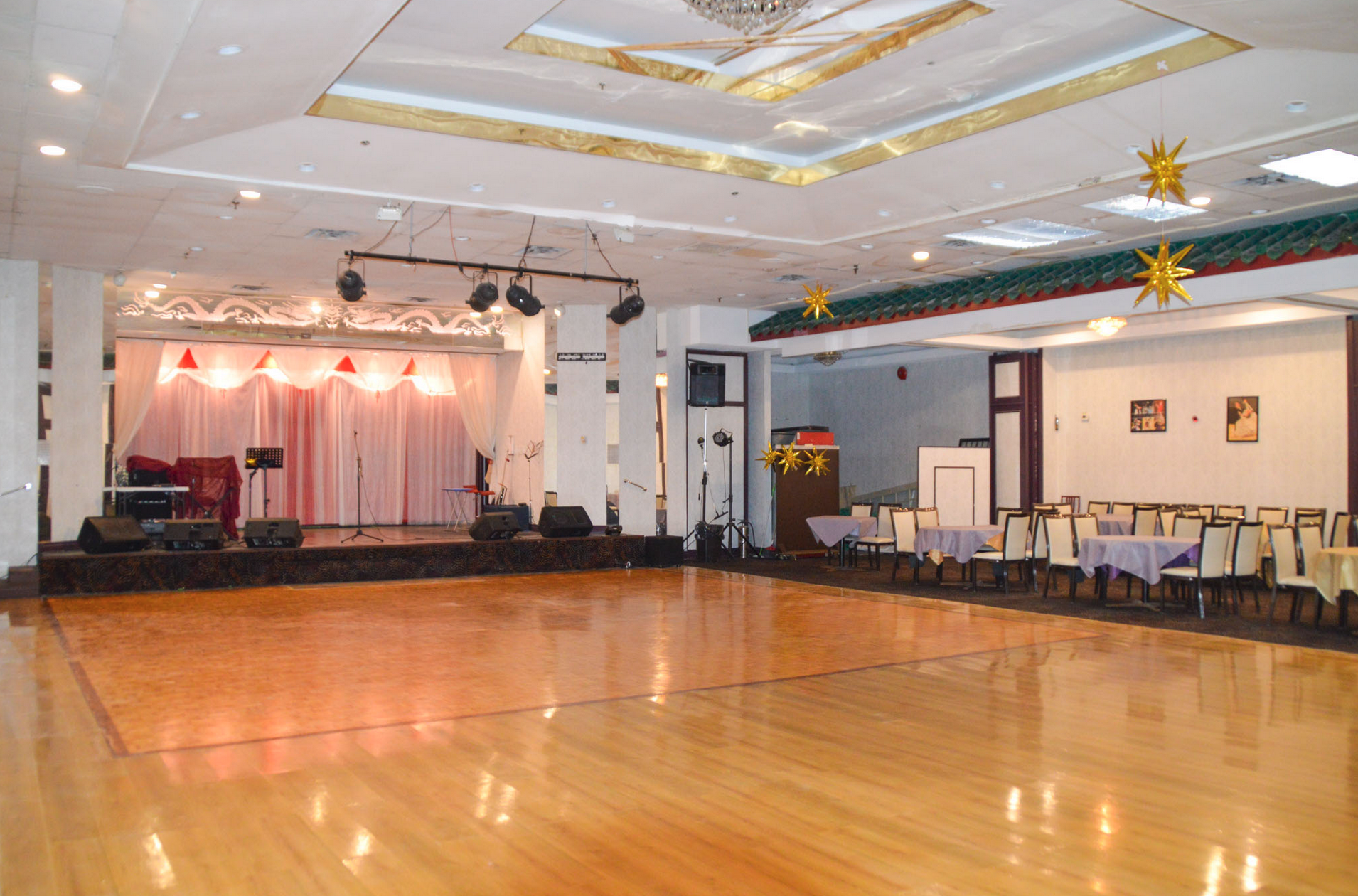
Figure 6. The dance hall operator installed a parquet floor and added speakers and lighting for the live music. Photo by author.
With slowing business, however, the mall’s maintenance was increasingly deferred, and the largest tenant, Global Imperial Cuisine, decided to close in February 2019, claiming unsafe and unsanitary conditions. A fire next door at the Agincourt Recreation Centre, however, gave this space a new opportunity to serve the community, and the current owner transformed the restaurant into a dance hall to accommodate displaced classes (Figure 6).
Although COVID restrictions affected all businesses in the GTA, ethnic malls anchored by restaurants were especially challenged by technology and financial costs of converting to take-out and cashless transactions. Dragon Centre posed additional challenges. The banquet hall’s kitchen no longer functioned, limiting its operations, and shop owners began to perform ad-hoc repairs such as stabilizing the ceiling or placing buckets under ceiling leaks. The koi pond in the mall foyer was drained in 2020, but plants continue to fill this bright corner, cared for by shop owners (Figure 7).
Figure 7. The Dragon Centre lobby used to include koi fish, but after their removal, mall tenants began to move their plants into this space. Photo by Truman Wang.
The building’s neglect is also an attractor for the mall tenants who welcome the flexible opening hours that accommodate golf sessions in the morning and 24-hour access. One shop owner favored the lack of customers, describing the mall as “the deadest place” where “you’re free to do what you want to do.” Nelson Qiu places folding chairs in the hallway for his fellow Hakka friends who visit his electronics repair shop. His childhood friend, Mr. Xiong, owned an antique shop in Dragon Centre and encouraged Mr. Qiu to open a shop because his extensive speaker collection would not fit in his new senior housing apartment. Unsupervised by mall management, Mr. Qiu happily points out that “It’s okay to be a little loud” at Dragon Centre.
“As suburban Chinatowns age, it is time for a reassessment of how these places function.”
More concerned that the roof will collapse than the mall’s proposed redevelopment, the shop owners express a deep attachment to Dragon Centre. The rhythm of the workday structures their time, from opening the shop and morning visits with each other, to sharing snacks, tidying merchandise and chatting with customers. And Dragon Centre is more than just a third place for Chinese migrants nearing retirement.
Over four weeks in May, our student researchers visited the shop owners, bringing pastries from the next-door bakery, attending dance parties in the banquet hall, and spending time with community members who used to frequent the mall (Figure 8). Living far from family, whether home is Beijing or Vancouver, they quickly formed surrogate family relationships with shop keepers. The shops at Dragon Centre are filled with the furnishings, books, music, and voices of a multi-generational diaspora, of weekends spent with aunties and elders who may or may not be related yet are still your family.
Figure 8. Red House Bakery in an adjacent strip mall serves as a meeting place for regular customers. Photo by author.
Recently, we have witnessed the revival and transformation of Chinatown grassroots community work towards mutual aid and land trusts that align the rising generation with the working class and elders who are the most affected by gentrification. At the same time, the tastes and habits of younger Chinese migrants, especially international students downtown, have led to concerns of “studentification” and boba gentrification. Much of the conversation focuses on downtown neighborhoods that are both bellwether and battleground due to their central location. The lifecycle of suburban Chinatowns, in contrast, has been less studied, especially changes to the mall’s spaces and activities over the past forty years.
Aging shopping centers and office parks are vulnerable to mixed-use redevelopment that are touted as solutions to unsustainable sprawl. In some cases, community planners propose retrofitting empty plazas into libraries, daycares, and parks. Malls like Dragon Centre represent another way that the suburbs are reimagined by immigrants who see non-economic value in leftover spaces.
Figure 9. Sophia, Lok, Alan, Tiffany, and Shirley in Alan’s shop at Dragon Centre. Photo by Truman Wang.
Figure 11. “Stories from Chinatown to the Ethnoburb” final presentation with postcards of Dragon Centre, stamps and ephemera gifted to the student researchers from shop owners. Photo by author.
As suburban Chinatowns age, it is time for a reassessment of how these places function. For some, malls like Dragon Centre are viewed as important historically but in need of a change. As an architectural historian, I can’t help but believe that the spatial qualities of Dragon Centre are worth a second look. Whereas larger Chinese plazas have labyrinthine double-loaded corridors, Dragon Centre has an intimate scale and easy wayfinding. The inadvertent reveal of the original roller rink skylights reminds us of the important role of daylighting for a northern climate (Figure 9).
When thinking about the lifecycle of suburban third places, a modest building left mostly to its own devices can also play a role for aging immigrants who find meaning in work long after it is financially necessary. Tucked behind a plaza, Dragon Centre also captivated our student researchers who live far from their extended families. After seeing their interactions with the shop owners, I now understand that this research also brought them back to a home away from home (Figure 10).
Acknowledgements:
This research was generously funded by the Jackman Humanities Institute Scholars in Residence Program. Interviews, site analysis, archival research, and story map were conducted by student researchers Shirley Yue Chen, Tiffany Katherine Chan, Yat Lok Man, Ruoshui Wang, and Yong Jia Wen.
Citation:
Erica Allen-Kim, “Meet Me at the Plaza: Migration and Aging in the Suburbs,” Platform, June 29, 2026.